
Blog
Certificate vs Diploma for Online Learning: How to Choose
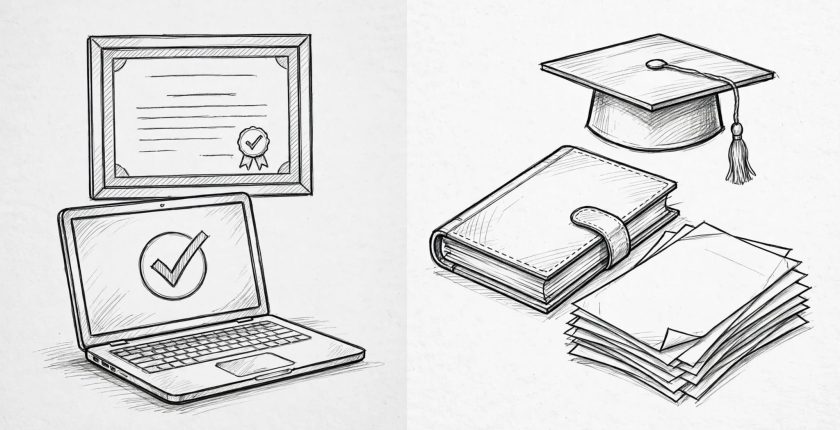
A short online course can build targeted skills quickly, but its credential may not open every door. The certificate vs diploma decision comes down to your target job, time commitment, and whether a certificate program or several online courses best support your goal.
Both can fit around work and family commitments, but duration and eligibility vary by institution, country, and field. The credential name alone says little about recognition, quality, or employer value.
Start by matching the program to the role you want, not to the shortest route advertised.
Key takeaways
- A certificate program usually covers a narrow skill area and often takes weeks or months. It works well for upskilling, testing a career interest, or adding a current tool to your resume.
- A diploma program usually includes more subjects, assessments, and applied projects. Many diploma programs take several months to two years, though duration varies by country and institution.
- Online delivery does not determine credential quality. A well-designed online program can be rigorous, while a weak on-campus program can still have limited value.
- Employers look beyond the credential title. They consider the provider, curriculum, assessment method, work samples, relevant experience, hands-on experience, and practical training when applicable, along with any required license or industry certification.
- Before enrolling, confirm accreditation, employer recognition, entry requirements, workload, total cost, job market demand, and options to progress into another qualification.
Certificate vs diploma: the core differences
A certificate program is usually a concentrated course of study. It may teach one job skill, such as bookkeeping software, project management fundamentals, web design, cloud support, or digital marketing analytics. Academic certificates can also form part of post-secondary education at a college or university.
A diploma program tends to cover a wider occupational area. Instead of one skill, it may combine theory, technical knowledge, practical assignments, and workplace preparation. For example, an IT diploma might include networking, operating systems, databases, security basics, and troubleshooting.
The labels, duration, recognition, and entry requirements for each credential vary by institution, country, and field. Check the specific program details before comparing options.
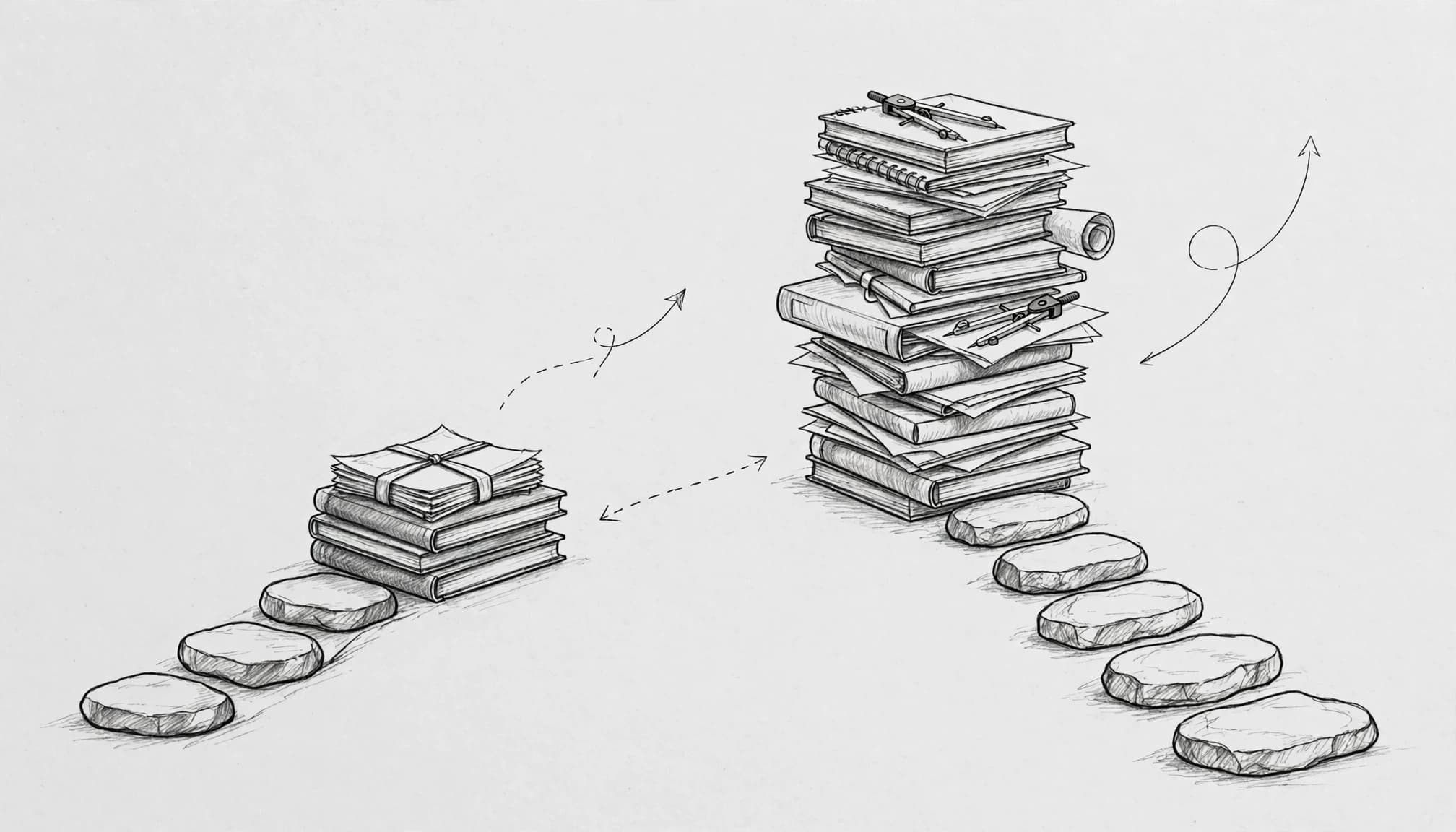
Certificates focus on a defined outcome
A certificate program often has a tight scope. You might complete several courses in user experience design, learn a programming language, or prepare for a vendor examination such as CompTIA Network+ or AWS Certified Cloud Practitioner.
This focus can make certificates useful when you already have industry knowledge or want to build specialized skills. A marketing coordinator who learns Google Analytics or a help-desk worker who earns a networking credential can show a practical next step without leaving work for a long program.
Still, “certificate” can mean different things. A certificate of completion only confirms attendance or course completion. An academic certificate confirms that you passed assessed coursework. A professional certification usually comes from an external body or vendor and may require an exam, renewal, or continuing education.
Diplomas build broader job readiness
Diplomas commonly suit learners who need a foundation in a field. They may include graded assignments, simulations, case studies, capstone projects, supervised placements, or practical labs.
The mix depends on the subject. A graphic design diploma can require a portfolio using tools such as Adobe Photoshop, Illustrator, and InDesign. A caregiving diploma may address ethical duties, legal responsibilities, client communication, and practical care routines. A web development diploma can move beyond HTML and CSS into JavaScript, databases, and server-side development.
A diploma is not automatically more respected than every certificate. Its value depends on what it teaches, how learners are assessed, and whether the target occupation recognizes it.
How online learning affects credential value
Online study can make higher education more reachable for people with full-time jobs, caregiving duties, or long commutes. Recorded lessons, scheduled live sessions, discussion boards, and flexible deadlines can all work well when the course design is strong.
However, online courses and other delivery formats don’t prove that learning was rigorous. Review the actual program before treating an online certificate or diploma as equivalent to another provider’s offering.
Strong online programs show how learning is assessed
Look for more than video lessons and multiple-choice quizzes. A credible program explains how you’ll demonstrate competence through projects, written work, presentations, practical tasks, proctored exams, or instructor feedback.
For technical or creative roles, ask to see examples of graduate portfolios or capstone briefs. For regulated fields, ask how practical requirements, placements, clinical hours, or lab work happen. Some occupations still require supervised practice and can’t be entered through fully online study alone.
A qualification is generally an official record that confirms assessed learning outcomes, as explained in UNESCO-UNEVOC’s definition of a qualification. A certificate of completion may only confirm that someone finished a course. That distinction matters when a site uses terms such as certificate, diploma, badge, and course completion interchangeably.
Flexible schedules still require fixed effort
Self-paced doesn’t mean effortless. Check the expected hours per week, assignment deadlines, live attendance rules, group-work requirements, and exam windows before you pay.
A working professional might finish a short certificate while studying five to eight hours weekly. A diploma with several modules can demand a sustained part-time schedule for many months. Learners who underestimate that workload often stop before reaching the projects that make the credential useful.
Compare duration, cost, and curriculum depth
General trends are useful, but providers set their own rules. One college may call a six-month technical course a diploma, while another uses the same label for a two-year program.
Use the program documents, not marketing headlines, to compare commitments.
| Factor | Certificate | Diploma |
|---|---|---|
| Typical scope | One skill set or a narrow subject | A broader occupational or technical field |
| Usual study length | Weeks to about one year | Several months to two years or more |
| Coursework | Focused classes and assessments | Multiple subjects, projects, and applied learning |
| Cost pattern | Often lower overall | Usually higher because study lasts longer |
| Best fit | Targeted upskilling or a quick test of a field | Entry-level preparation or a deeper career change |
The practical difference is depth, not only duration. A short certificate can be demanding, and a diploma can include introductory units. Read module descriptions to see what you’ll actually learn.
A post-secondary diploma shouldn’t be confused with a high school diploma. The terms describe different educational contexts and serve different purposes.
Compare curriculum depth and tuition costs with the actual requirements in your target job market. The cheapest or longest option isn’t automatically the best choice.
Calculate the complete cost
Tuition costs are only one line item. Add application fees, registration fees, textbooks, software subscriptions, equipment, examination charges, proctoring, travel for practical sessions, and any certification renewal fees.
Free or low-cost online courses can be worthwhile for exploring a subject. Yet a free course completion document may carry less weight than a credential issued by a recognized college, university, professional association, or vendor. The best option is the one whose cost matches the access it gives you.
Check whether credits can carry forward
Some academic certificates apply toward an associate degree or bachelor degree. Others don’t transfer anywhere. A diploma may also include courses that count toward a degree program, but this is never automatic.
Ask for a written answer from the provider, community college, or receiving institution. Which courses are transferable, to which institutions, and under what grade requirements? This question matters most if you expect to continue into a degree program later.
What employers see in certificates and diplomas
Hiring managers rarely make decisions using credential titles alone. With skills-based hiring, they often want proof that you can perform relevant tasks. In licensed professions, they may need a program approved by a regulator. In large organizations, an applicant tracking system may screen for a degree before a recruiter sees the rest of the resume.
That range explains why no credential is universally “better.” Employer expectations also vary across the job market. A credential may influence opportunities and earning potential, but it doesn’t guarantee income.
Show evidence beside the credential
A certificate in data analysis becomes more persuasive when you can show hands-on experience through a clean spreadsheet model, SQL queries, dashboard work, or a small portfolio. A web development diploma carries more weight when your GitHub projects, code samples, and deployed sites show steady progress.
Likewise, a cybersecurity certificate is stronger when it aligns with the work you want to do and you can explain the labs, tools, or scenarios you completed. For career changers pursuing entry-level roles, projects and practical evidence can help turn coursework into a credible work story.
Recognition depends on the occupation
Trades, healthcare, education, and other regulated fields often have formal entry rules and practical training requirements. Check the regulator or licensing board first, then confirm that the provider’s qualification meets those rules. A general online diploma may build useful knowledge without qualifying you for a protected job title.
If you plan to work in another country, recognition can add another layer. Canada’s government explains that foreign credential recognition assesses whether education, skills, and experience gained elsewhere are comparable to local requirements.
When a certificate is the smarter choice
Choose a certificate program when you need specialized skills soon and already have a related base. It can suit professionals moving into a new specialty, updating outdated tools, or meeting a specific employer requirement.
For example, a content marketer can add analytics training. An IT support worker can pursue a networking credential. A designer can take a focused course in motion graphics or user interface design. In each case, the learner builds on existing experience rather than starting an entire career pathway from zero.
Use certificates to test a career change
A low-commitment certificate can help you assess your interest before investing in a longer pathway. It gives you exposure to the work, vocabulary, software, and basic tasks of a field.
Treat the first program as research with an outcome. Complete the assessments, create work samples, and talk to people doing the job. If the work suits you, decide whether you need a longer credential, an industry exam, or entry-level experience next.
Stack related credentials with purpose
Multiple short certificates are useful only when they connect. A random collection of course badges can make your resume look unfocused.
Build a sequence around a job target. These stackable credentials should form a clear path toward the role. Someone aiming for junior cloud support might start with IT fundamentals, add networking, then study a cloud platform. A future digital marketer might combine analytics, search advertising, and portfolio work for a real organization.
This approach can support professional development and may improve earning potential over time, but stronger skills never guarantee higher pay. Let the job market guide your choices by following real job descriptions, not course discounts.
When a diploma makes more sense
A longer diploma program is often the stronger route when employers expect broad preparation or structured practice. It isn’t automatically the better choice, though. It may suit learners without prior experience who need a clear curriculum for entry-level roles instead of piecing together individual courses.
The time commitment may be worthwhile if it produces projects, supervised feedback, industry contacts, and a coherent set of skills.

Practical coursework can close experience gaps
Good diploma programs make room for applied work and practical training. Depending on the provider and field, an online format may include mailed lab kits, software simulations, project briefs, virtual labs, recorded demonstrations, placements, and local in-person requirements.
Ask how much hands-on experience the program includes. Also ask who reviews the work and whether you receive detailed feedback. For career-focused learning, those answers may matter more than the number of modules.
A diploma can support later study
Many learners use a diploma as a bridge into an associate degree or bachelor degree. It can offer a more manageable first step, especially when returning to formal education after several years.
However, progression policies differ widely, so compare the curriculum with actual entry requirements in your job market and request the program map. Ask whether credits transfer internally, externally, or only under an articulation agreement. Keep copies of syllabi and official transcripts in case another degree program asks for them.
Verify the provider before you enroll
The most important check is whether the provider has standing where you plan to work or study. This includes universities, colleges, and technical schools. In the United States, you can search the Database of Accredited Postsecondary Institutions and Programs for institutions and programs reported by recognized accrediting agencies.
Accreditation is important, but it is not the only sign of quality. An industry certification may matter more than institutional accreditation for a vendor-specific technical skill. A regulated profession may require approval from a separate professional body.
Ask these questions in writing
Before accepting an offer, ask the provider:
- What final credential appears on the transcript and certificate? Is it different from a certificate of completion?
- Is the institution or program accredited, licensed, approved, or recognized by the relevant authority?
- What are the admissions requirements, weekly workload, grading rules, and deadlines?
- What is the full cost, including books, exams, equipment, and practical components?
- Do hiring managers in my target field recognize this credential, and can you name examples?
- Can I transfer credits or progress into a diploma, associate degree, or bachelor degree?
Check claims against independent sources
Look up job postings for your intended role and review the current job market. Note whether employers ask for a certificate, diploma, degree, portfolio, license, or experience. Then compare those requirements with the provider’s claims.
For U.S. programs, the Department of Education’s college accreditation guidance also explains the role of recognized accrediting agencies. If a school cannot clearly answer basic recognition questions, keep looking.
Frequently asked questions
Is a certificate less valuable than a diploma?
A certificate is narrower, not automatically less valuable. A respected professional certificate can be highly relevant for an established worker, while a diploma may be more useful for an entry-level learner who needs broad preparation. Value depends on job requirements, provider quality, assessment, recognition, and proof of skill.
Which is better for career advancement, a certificate or diploma?
A certificate is often better when you need one new competency for your current role. A diploma is usually better when advancement requires a wider technical base, formal coursework, or practical training. Review the requirements for the next job you want before choosing.
How does a degree compare with both?
A degree program generally takes longer and covers a broader academic foundation. Some employers require a bachelor degree, while a master degree may support later study or advanced roles. Requirements vary by occupation and institution. Certificates and diplomas can still lead to strong careers, and they may provide a more practical or affordable first move.
Can an online diploma lead to a new career?
It can, provided the program matches real entry requirements and gives you usable evidence of skill. Build a portfolio, pursue required certifications or licenses, and apply for projects, internships, or junior roles while you study. Compare the job market and speak with hiring managers or practitioners before choosing. Online delivery alone neither weakens nor guarantees the outcome, and neither credential guarantees employment.
Choose the credential that fits the next job
The strongest choice is the qualification that closes a real gap between your current experience and next role. A certificate can sharpen one skill quickly. A diploma can provide broader structure and practical work for a larger move.
Compare the curriculum, assessment, recognition, cost, and progression path before enrolling. Neither credential is universally better, and earning potential depends on your field, experience, recognition, and employer requirements. A credential earns its value through what it enables you to do next.