
Education
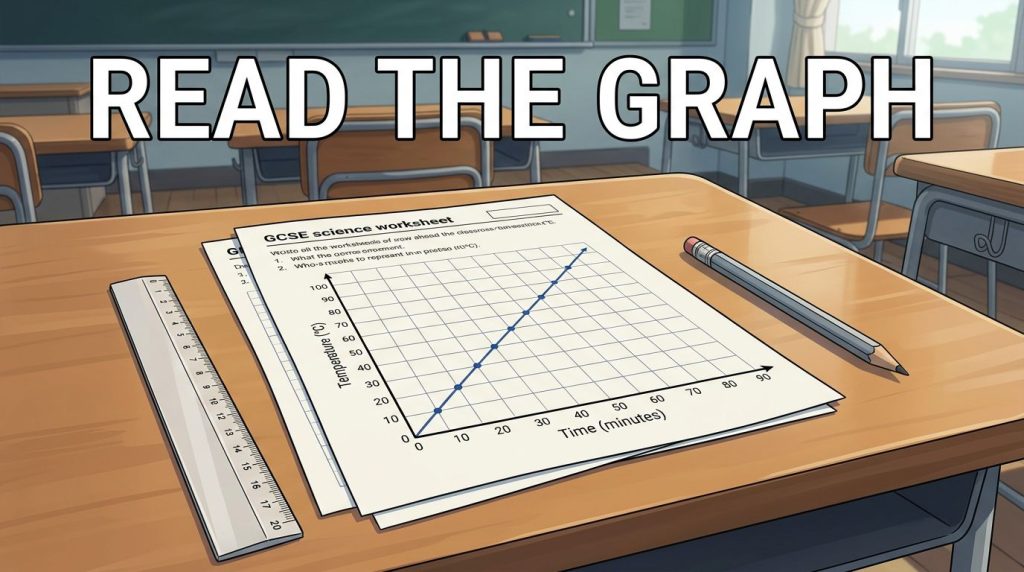
To interpret science graphs, check the axes and units, identify the pattern, then support your answer with values. Calculate a gradient only when the question needs a rate of change. Most lost marks come from misreading scales, giving vague descriptions or missing units. A reliable method makes unfamiliar graphs easier to handle and keeps your […]
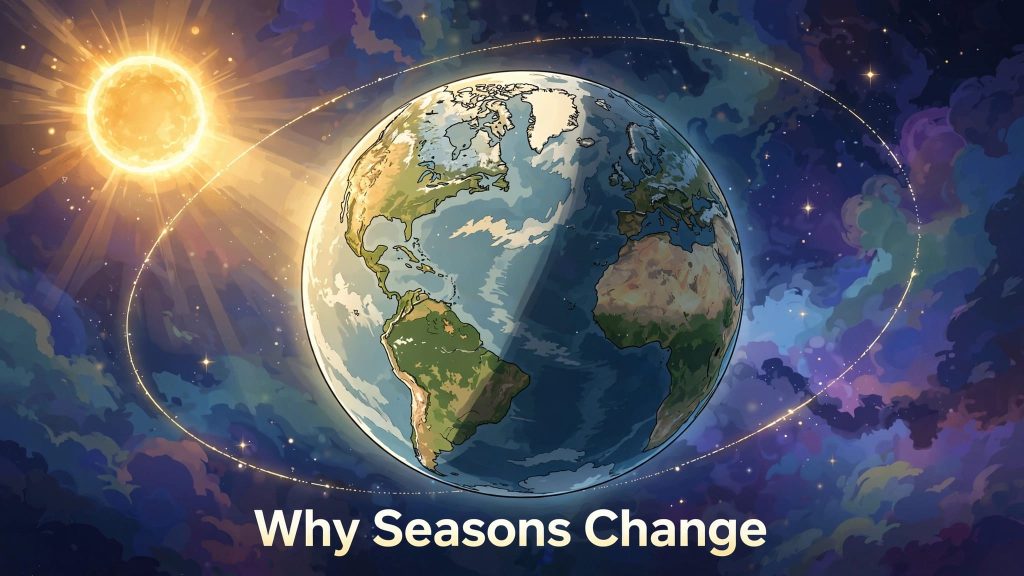
Seasons change because Earth’s tilted axis changes sunlight angle and daylight hours as Earth orbits the Sun. The main cause is axial tilt, rather than Earth’s changing distance from the Sun. That distinction explains why seasons change even on a nearly circular orbit, and why the hemispheres experience opposite seasons. Start with the direction Earth’s […]
To earn marks on six-mark questions, answer the command word, use accurate science and explain how your points connect. Examiners reward relevant, developed reasoning, so a short, focused answer can outperform a page of disconnected facts. You don’t need a perfect opening sentence or a memorised essay. Start by identifying the task, then plan relevant […]
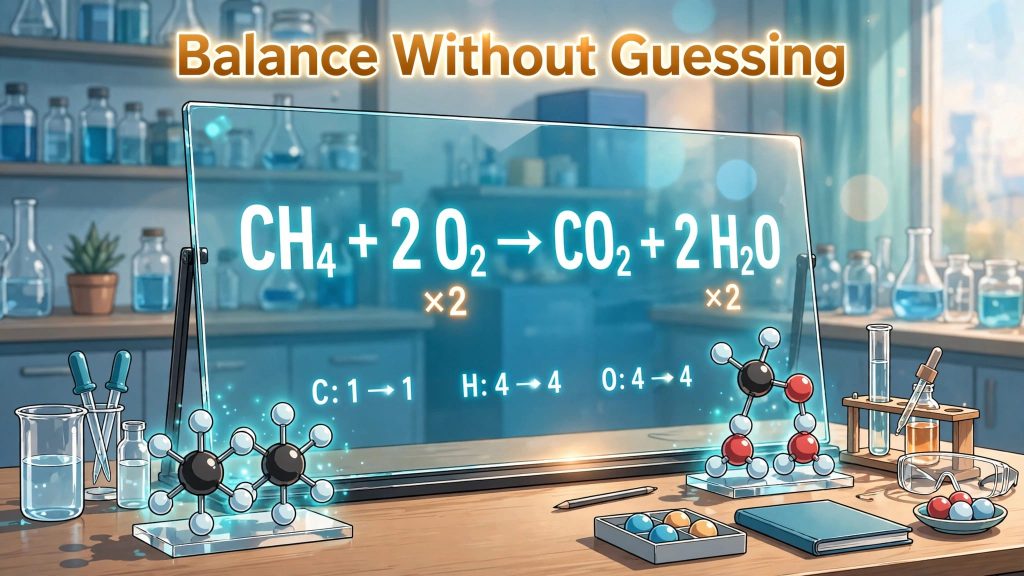
Changing numbers at random can turn a short chemistry problem into a frustrating loop. Balancing chemical equations is more reliable when you count atoms and use clear numerical relationships. You don’t need to guess: a chemical equation is balanced by adjusting coefficients while keeping each formula intact. Never change its subscripts to make the number […]
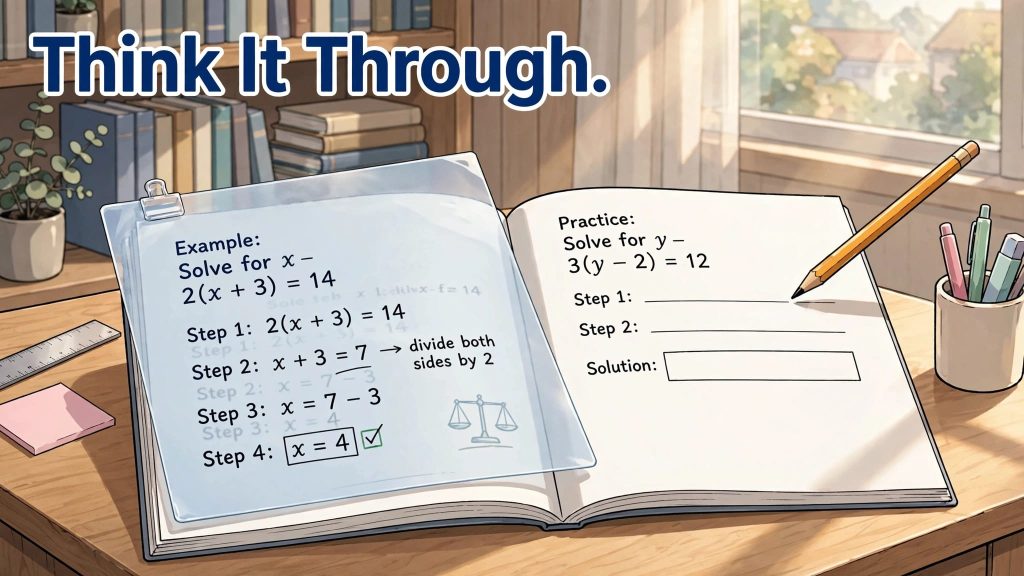
A solution can look obvious while it’s open and leave you stuck once you close the book. Worked examples help when you study the decisions behind the steps, then practise making those decisions yourself. You don’t need to avoid worked solutions or struggle through every new topic unaided. Instead, explain each move, predict what comes […]
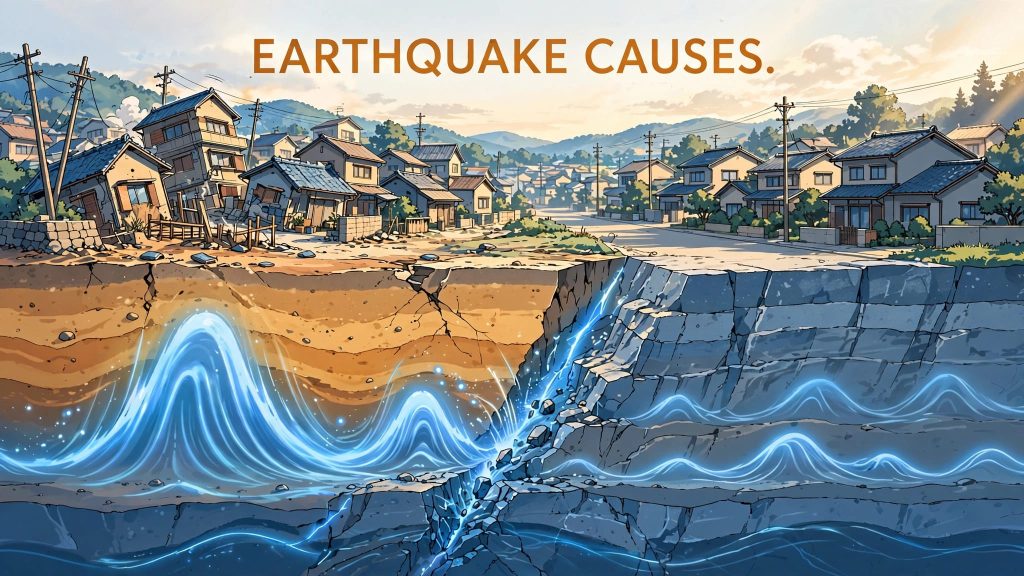
Two towns can experience the same earthquake and feel very different shaking. The main earthquake causes involve rocks suddenly slipping underground, but the effects depend on distance, depth and local ground conditions. Most earthquakes begin when stored stress overcomes friction along a fault, a fracture where rocks can move past each other. Understanding that sequence […]
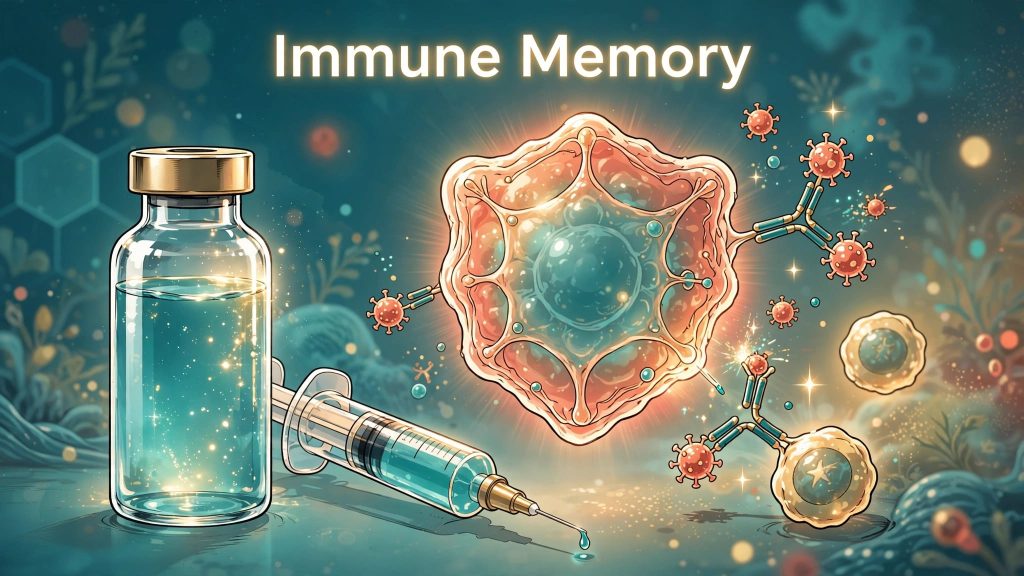
Vaccines help your immune system learn to recognize a dangerous germ before you encounter the disease itself. Understanding how vaccines work starts with that ability: vaccination builds immune memory while avoiding many of the risks of the disease itself. Vaccines use selected germ components, weakened organisms, or instructions for making a target protein. They usually […]
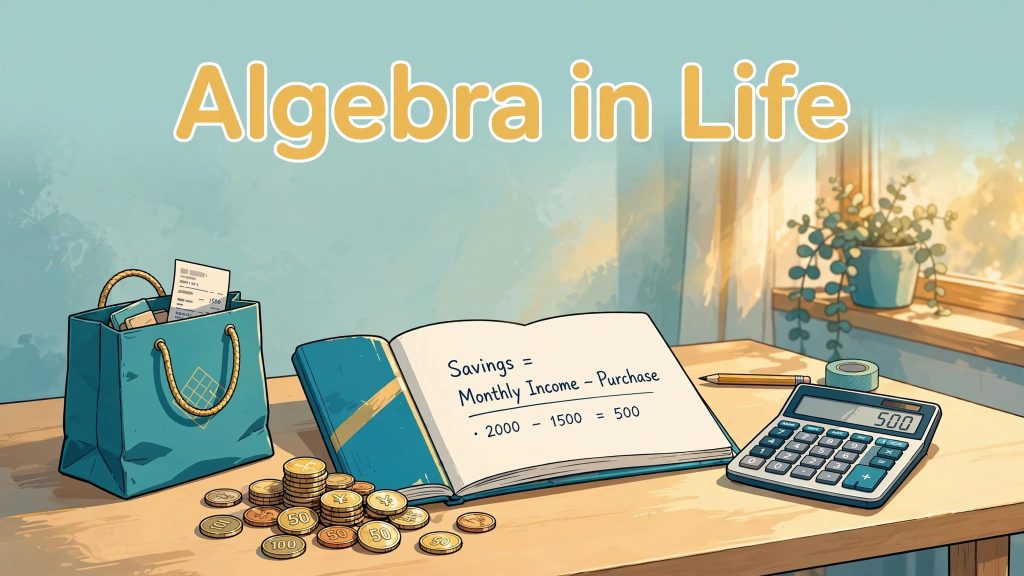
You don’t need a worksheet to wonder whether your savings will cover a purchase. We use algebra in everyday life to find unknown amounts and understand how changing one quantity affects another. However, adding a shopping bill is ordinary arithmetic; writing a rule that compares different shopping bills introduces algebraic thinking. That shows the importance […]

A promising story can lose its direction when the clock starts ticking. In creative writing exams, a brief plan helps you turn ideas into a complete response rather than a rushed opening with no ending. You need clear direction, manageable content, and enough time to check your work. Start by identifying what the prompt requires, […]
Remembering a quotation won’t help much if you can’t explain what it proves. Using quotations in exams works best when a short piece of evidence supports your argument and leads into close analysis. You don’t need to fill every paragraph with remembered lines. You need relevant evidence, a clear explanation of the writer’s choices, and […]