
Blog
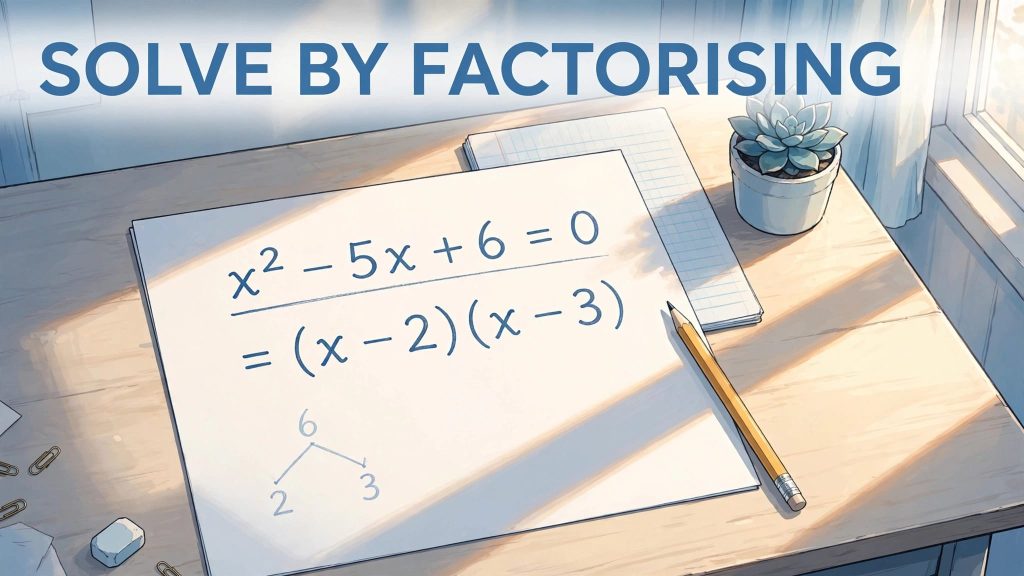
When asked to solve the quadratic equation by factorising, rearrange it to equal zero, write it as a product, then set each factor equal to zero. The zero-product property tells you why this works: if two numbers multiply to zero, at least one must be zero. Factorising is often the quickest method for solving quadratic […]
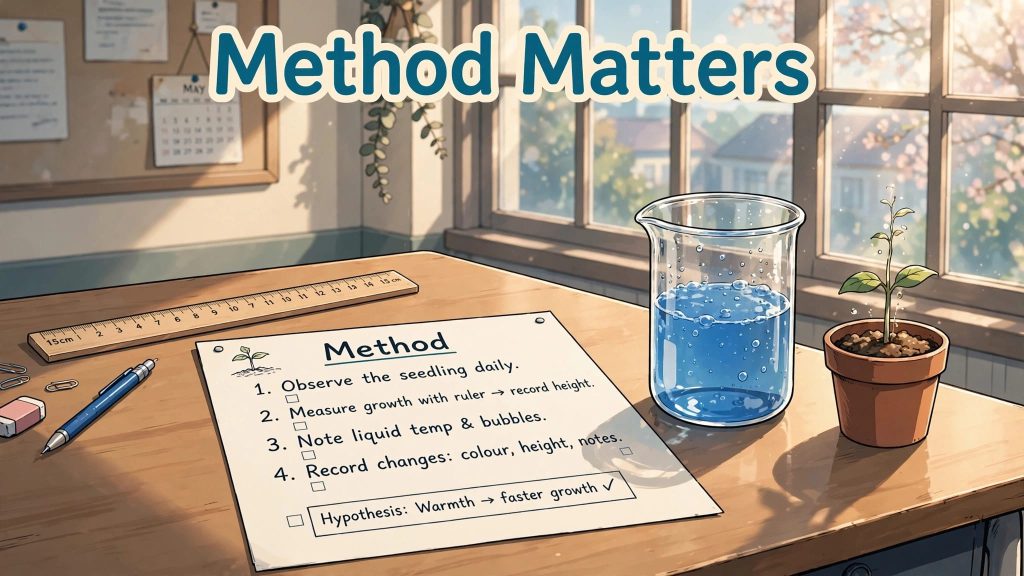
To answer science experiment method questions, identify what changes, what gets measured, and what must stay constant. Then explain how the method produces trustworthy evidence, using details from the question. You don’t need to memorise a separate answer for every experiment. The same reasoning applies to melting ice, testing paper towels, and investigating plant growth. […]
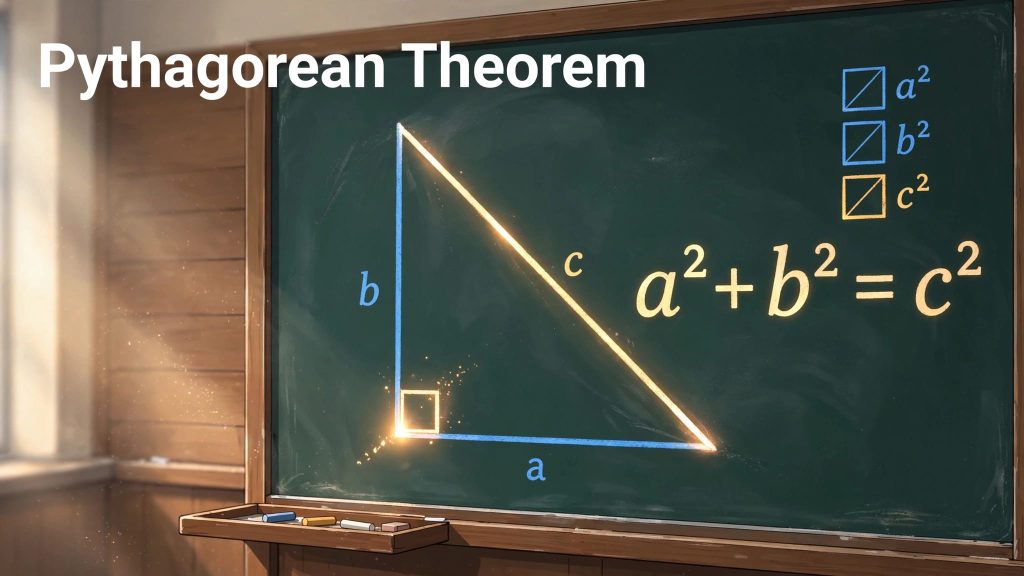
To solve Pythagorean theorem questions, identify the hypotenuse, substitute the known lengths into the theorem, then solve. The Pythagoras theorem, also called the Pythagorean theorem, relates the side lengths of a right triangle. Correct labeling matters most: adding when you should subtract usually starts with choosing the wrong side. You can make your answers easier […]

Effective biology revision means explaining how one change causes the next, then testing those links without your notes. Facts become easier to use when you can connect them with because, rather than remember them as isolated statements. You still need accurate vocabulary, but memorisation alone won’t explain an unfamiliar graph or a changing ecosystem. Start […]
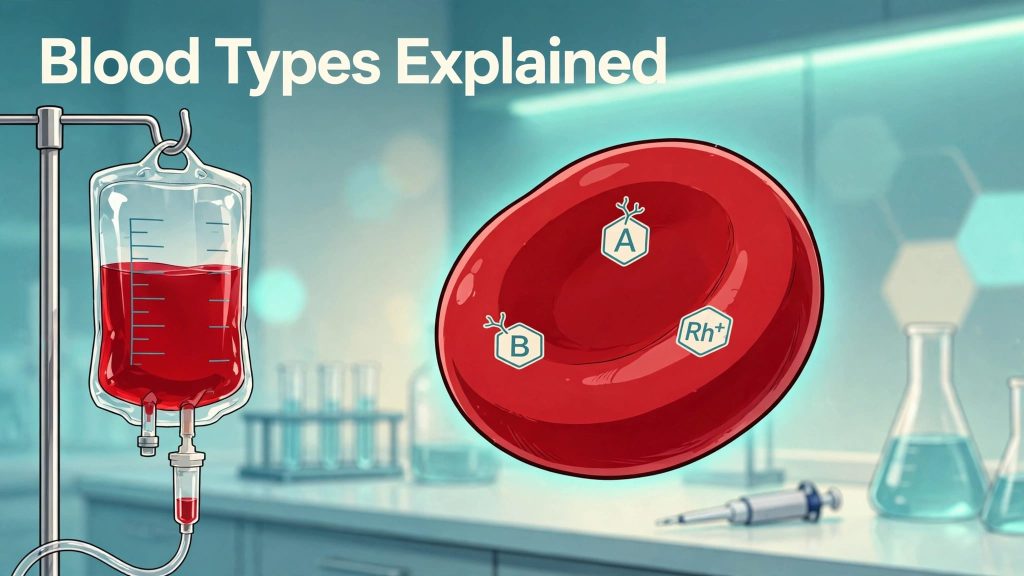
They matter because they help determine whether donated blood is compatible with your immune system. They also explain patterns of inheritance and some pregnancy complications, while giving scientists useful clues about human biology. The key is immune recognition: molecules on red blood cells can trigger an attack when another person’s immune system identifies them as […]
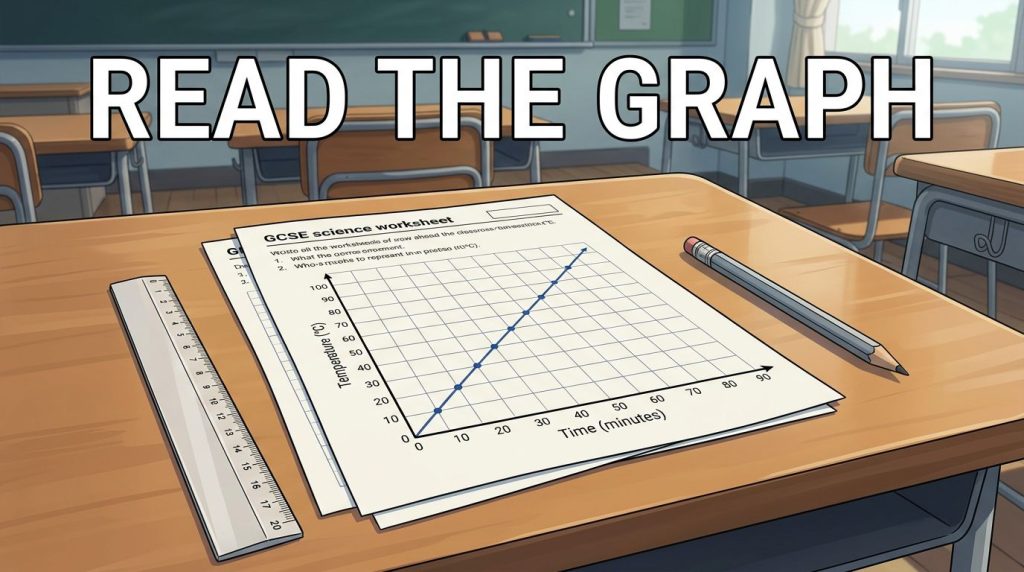
To interpret science graphs, check the axes and units, identify the pattern, then support your answer with values. Calculate a gradient only when the question needs a rate of change. Most lost marks come from misreading scales, giving vague descriptions or missing units. A reliable method makes unfamiliar graphs easier to handle and keeps your […]

Seasons change because Earth’s tilted axis changes sunlight angle and daylight hours as Earth orbits the Sun. The main cause is axial tilt, rather than Earth’s changing distance from the Sun. That distinction explains why seasons change even on a nearly circular orbit, and why the hemispheres experience opposite seasons. Start with the direction Earth’s […]
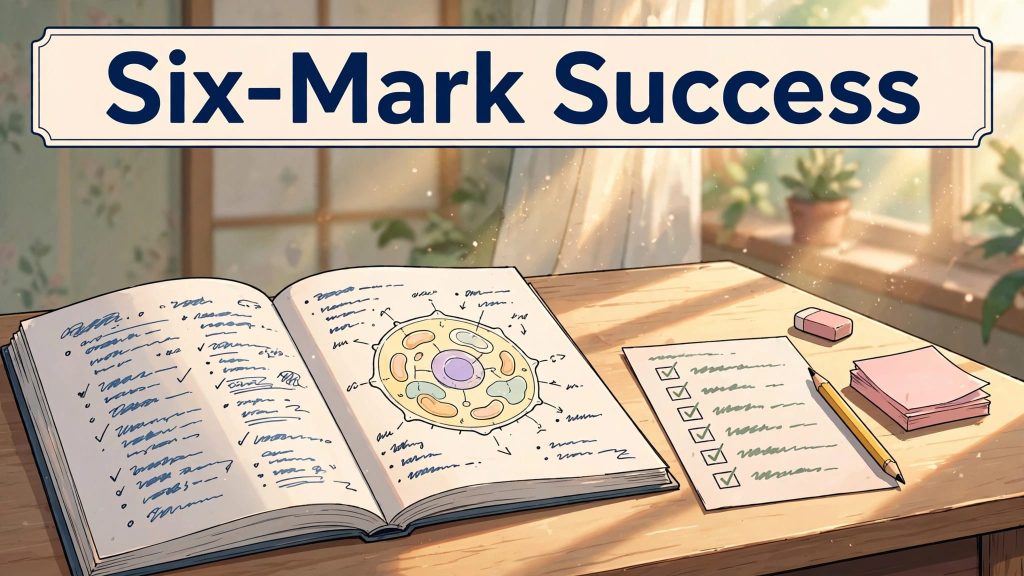
To earn marks on six-mark questions, answer the command word, use accurate science and explain how your points connect. Examiners reward relevant, developed reasoning, so a short, focused answer can outperform a page of disconnected facts. You don’t need a perfect opening sentence or a memorised essay. Start by identifying the task, then plan relevant […]
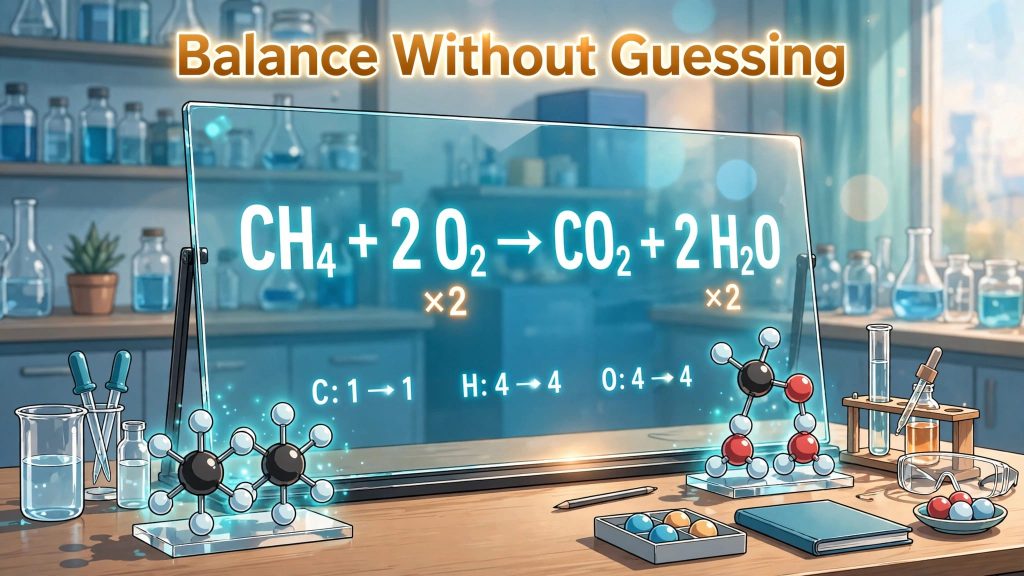
Changing numbers at random can turn a short chemistry problem into a frustrating loop. Balancing chemical equations is more reliable when you count atoms and use clear numerical relationships. You don’t need to guess: a chemical equation is balanced by adjusting coefficients while keeping each formula intact. Never change its subscripts to make the number […]
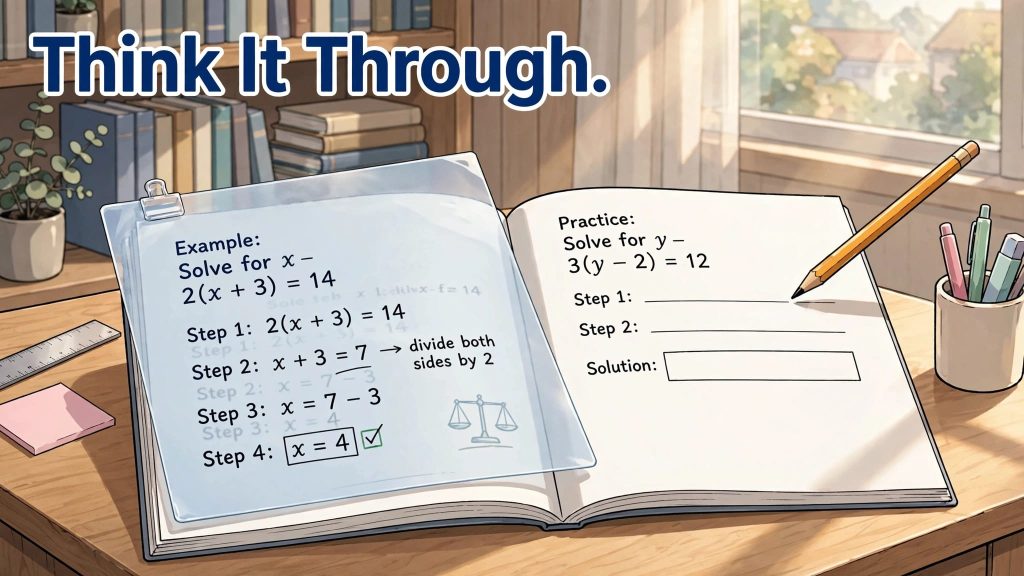
A solution can look obvious while it’s open and leave you stuck once you close the book. Worked examples help when you study the decisions behind the steps, then practise making those decisions yourself. You don’t need to avoid worked solutions or struggle through every new topic unaided. Instead, explain each move, predict what comes […]