
Blog
How to Manage Exam Stress Before Test Day
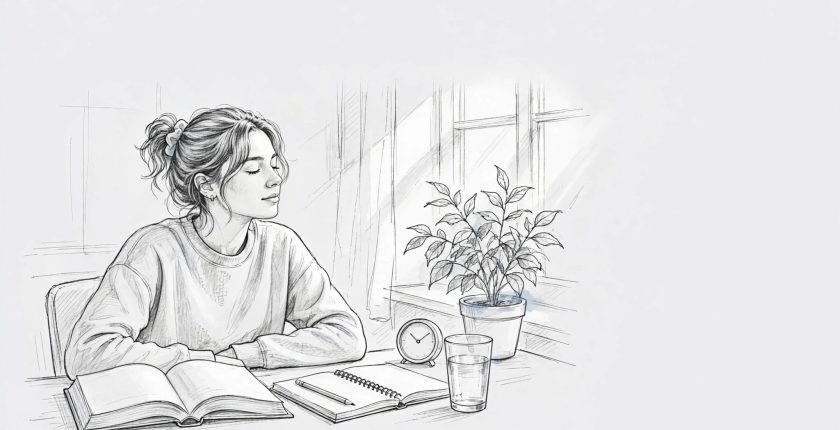
Some exam stress is normal. It can sharpen your focus and push you to start, but it shouldn’t leave you exhausted, panicked, or unable to study. You can manage exam stress without becoming perfectly calm or following a punishing revision routine.
Practical stress management means turning exam pressure into one manageable next step while protecting your mental wellbeing. Exam stress relief can look different for everyone, especially when dealing with stress before an exam or test anxiety. You don’t need to eliminate stress to move forward. Severe or persistent symptoms may warrant support from a parent, teacher, counselor, healthcare professional, or school support service.
Key Takeaways
- Moderate pressure can help you begin, while severe stress can disrupt sleep, memory, and concentration.
- A realistic revision timetable gives each session a clear purpose, such as “solve six algebra problems” instead of “study math.”
- Practice recalling answers without notes, then correct mistakes and review them later.
- Protect sleep, regular meals, water, and breaks. All-night studying can make recall harder.
- A short breathing routine and prepared test-day checklist can reduce panic when time feels tight.
- Persistent anxiety deserves support from a trusted adult, counselor, or healthcare professional.
Notice When Stress Has Crossed the Line
Stress often begins with a useful signal: an upcoming test matters, and you need a plan. This moderate pressure can make a study session feel more urgent and help you keep going through a difficult topic.
However, stress becomes less helpful when it disrupts concentration, weakens memory, affects academic performance, or stops you from working. The NHS guidance on student stress lists exams among the common pressures students face, alongside changes in routines and expectations.
Physical signs to take seriously
You might get headaches, tense shoulders, stomach pain, nausea, a racing heartbeat, or trouble falling asleep. Some people feel restless and reach for caffeine, while others feel drained before they open a book.
These symptoms don’t mean you’re weak or unprepared. They mean your body is reacting to pressure. Try brief relaxation techniques: pause, unclench your shoulders, or take a slow breath. Don’t treat discomfort as proof that you must study harder.
Behavioral signs of severe exam stress
Watch for avoiding schoolwork completely, repeatedly checking grades, snapping at people, skipping meals, or studying for long hours without taking anything in. Memory blanks and constant negative thoughts can also appear.
If anxiety makes it hard to sleep, eat, attend class, or complete ordinary tasks, treat it as a health concern, not a motivation problem. Seek appropriate support.
How to Manage Exam Stress With a Realistic Study Plan
A full calendar can feel reassuring, but a timetable that ignores homework, work shifts, travel, energy, and rest usually collapses within days. Build your exam preparation around fixed commitments, then use a flexible revision timetable to map the time you actually have.
For many students, 1.5 to 2.5 focused hours on school days and three to four hours across a weekend day is enough to make steady progress. Let your workload, energy, and test dates determine the final amount and length of your study sessions.
Break subjects into exam-sized tasks
“Revise biology” gives you no clear first step. Replace it with small tasks, such as “label the stages of mitosis from memory” or “answer two data-response questions.”
List every topic, its exam date, its mark value, and your confidence level. Prioritize weak, high-mark, and soon-tested areas with several shorter sessions during the week. Comfortable topics still need review, but they shouldn’t take all your available time.
Put a method beside every session
Write what you’ll do, not only the subject. “History: plan one timed essay” is easier to start than “history revision.” Use flashcards or free recall for definitions, practice problems for math and science, and timed essay plans for essay-based subjects.
After each practice attempt, check it against a mark scheme, teacher feedback, or reliable notes. Keep a short mistake log with the error, its cause, and the correction. Then return to that skill with a changed question later in the week.
A missed study block is a scheduling problem, not a personal failure. Move it into catch-up space instead of trying to maintain an unrealistic perfect timetable.
Use Study Strategies That Build Recall
Rereading can help you first understand a topic, but passive reading can create a false sense of readiness. Stronger learning uses retrieval, spacing, feedback, and application. Exams ask you to produce, explain, calculate, compare, or argue without the textbook open.
Retrieve before you check
Close your notes and try to answer one question from memory. For science, draw and label a process. For a language exam, write a short response. For literature or history, make an argument plan with evidence.
Use practice exams to identify gaps and practise pacing, not to create a grade that defines you. Then check your answer, correct errors, and record recurring mistakes in a mistake log. Retrieval can feel difficult, but that effort still makes useful practice. Return to missed questions later instead of looking at the answer immediately, which only trains recognition.
Space difficult topics across the week
Return to a topic after a gap rather than spending four exhausted hours on it once. A simple rhythm is to learn it today, test yourself tomorrow, practise again three days later, and revisit it the following week.
Use the first study block, when your attention is strongest, for the hardest material. Save lighter flashcard review or a short correction task for later. Regular breaks can protect concentration across study sessions. Try 40 minutes of work, a 15 to 20-minute reset, then another focused block.
Protect Sleep, Food, and Movement
Your brain needs recovery time to sort and retain what you practiced, and these self-care practices support physical health as well as learning. Teenagers generally need 8 to 10 hours of sleep a night, while most adults need at least 7 hours. Aim for quality sleep by keeping wake and sleep times fairly consistent, including weekends when possible.
Late-night cramming can feel productive because the clock creates urgency. Yet lost sleep makes it harder to focus, manage emotions, and recall material the next day. Stop at a planned time and leave a short note about where to begin tomorrow.
Eat regular meals as part of a balanced diet, with carbohydrates, protein, fruit or vegetables, and fluids. A sandwich with eggs, beans, chicken, or hummus can hold your energy better than skipping lunch and relying on sweets. Keep caffeine modest, especially after midday. Coffee and energy drinks can worsen jitters or interfere with sleep, which may intensify anxiety.
A short walk, stretching break, or gentle session of physical activity can release physical tension. You don’t need a demanding workout during exam preparation, and these habits are general support, not medical treatment. If sleep, eating, or physical symptoms remain significantly disrupted, speak with a healthcare professional.
Set Up a Calmer Exam Day
Preparation the night before lowers the number of decisions waiting for you in the morning. It can help you stay calm before a test. Pack what you need, check the location and travel plan, and set out comfortable clothes.
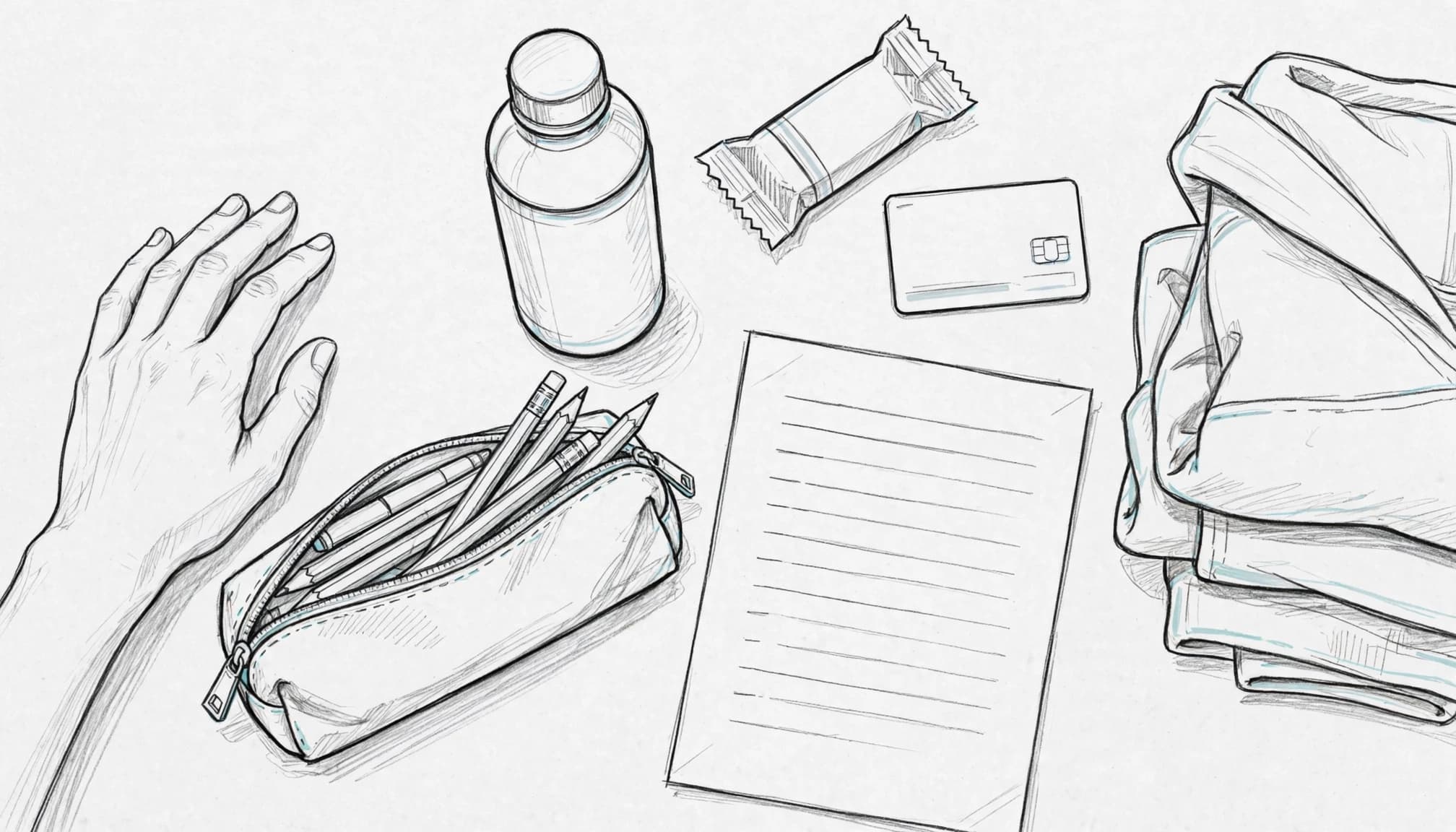
Use this simple test-day checklist
- Pack approved pens, pencils, calculator, identification, water, and any allowed materials the evening before, so exam day starts with fewer decisions.
- Set two alarms and leave enough travel time for delays.
- Eat something familiar, even if nerves reduce your appetite.
- Arrive early enough to settle, but don’t join last-minute panic conversations.
- Read instructions first, budget time by marks, and leave a few minutes to check your work.
Calm panic with slow breathing
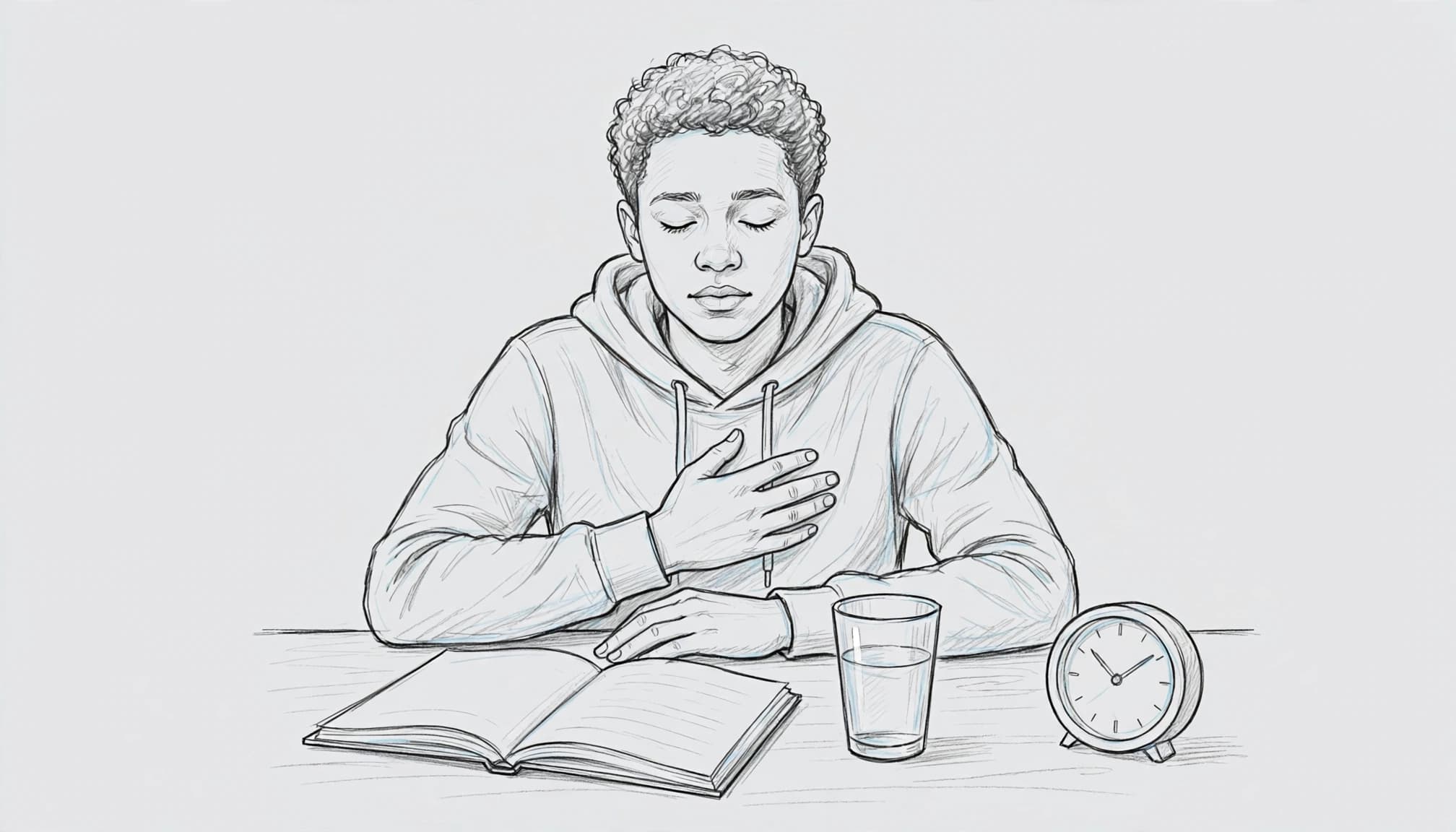
If your heart races at your desk, panic and anxiety may signal an immediate stress response that scrambles your thoughts. With both feet on the floor, try these breathing exercises: breathe in gently through your nose, pause briefly, then breathe out more slowly than you breathed in. Repeat for several cycles while focusing on the feeling of the chair and floor.
Slow breathing is one practical option among several relaxation techniques for reducing the physical escalation of panic. Research reviewed in Breathing Practices for Stress and Anxiety Reduction suggests that deep breathing may reduce immediate physiological arousal for some students. It can create space to begin, but it doesn’t guarantee performance.
Afterward, begin with a question you can answer. Completing one manageable task gives your attention somewhere useful to go.
If panic repeatedly keeps you from attending school or functioning normally, speak with a counselor, healthcare professional, parent, teacher, or school support service. Repeated disruption is a reason to ask for support.
Ask for Support Before Anxiety Gets Bigger
You don’t have to carry exam-related worry alone. Build a support network with a parent, friend, teacher, tutor, counselor, or school support service. Tell them what is happening: “I can’t sleep before tests,” or “I freeze when I see timed questions.”
What supportive adults can do
Parents and caregivers can help students develop coping mechanisms by asking what practical support would make the week easier. They might provide a quiet study space, protect bedtime, listen without turning every conversation into a grade check, or help contact support.
Avoid comparisons with siblings, classmates, or past results. Praise effort within the student’s control, such as following a study block or asking for help with a hard topic.
When to speak to a professional
Ordinary worry before a test is common. Persistent or impairing symptoms need attention, especially when they affect mental health.
Contact a school counselor, healthcare professional, doctor, parent, teacher, or school support service for professional help. Reach out if symptoms persist, cause panic attacks, lead to missed classes, or disrupt sleep or eating.
Thoughts of self-harm require immediate local crisis or emergency support. The Mind exam stress information for young people also explains where younger students can find support.
Getting help doesn’t mean you’ve failed at coping. It gives you more options for managing anxiety safely.
Frequently Asked Questions
How can I stop negative thoughts before an exam?
Don’t argue with every thought. Write down the worry, then pair it with one action you can take, such as completing five practice questions or packing your bag. Replace “I will fail” with a more accurate statement: “I feel worried, and I can prepare the next topic.”
A two-minute breathing reset can create enough space to return to work. Mindfulness meditation is another brief option: notice your breath or label thoughts without arguing with them. The American Psychological Association’s advice for anxious students includes relaxation techniques such as deep breathing, drawing, journaling, or a short grounding exercise. Choose the option that helps you return to a practical task.
Is it better to study with friends or alone?
Choose the setting that helps you do the planned task. A study group can work well for quizzing each other, explaining difficult concepts, and practicing oral answers. It can also become distracting if everyone is comparing how much they have studied.
Try a short, structured group session with clear topics, then do independent practice. Past papers and timed answers usually require quiet focus.
What should I do after the exam?
Avoid replaying every answer with classmates. Eat, rest, and do something unrelated to the subject before you look at the next exam. If you notice a genuine issue for a future paper, write one brief note and return to your plan.
A Steadier Way Through Exam Preparation
Exam stress may not disappear completely, because the test still matters to you. However, manage exam stress by turning worry into a small next action, protecting recovery time, and asking for support when anxiety feels too heavy.
A repeatable study plan beats an exhausting perfect one. Give yourself enough structure to prepare and enough rest to show what you know on exam day. A positive mindset means taking the next useful step, not forcing optimism.