
Blog
How to Build a Subject-Based Exam Question Bank

A test bank built from old exams can look useful until you try to assemble a balanced paper. The same topics recur, difficulty varies without warning, and nobody can tell which syllabus version a question belongs to.
A subject-based exam question bank becomes a useful learning tool when each item has a learning target, marking guidance, and a record of its use. You can start with a spreadsheet or an assessment platform. Either way, start with the curriculum rather than the software.
1. Map subjects and learning objectives
Before collecting questions, decide what the bank must assess. Gather the current curriculum, course outlines, assessment specifications, and marking criteria for each grade or qualification.
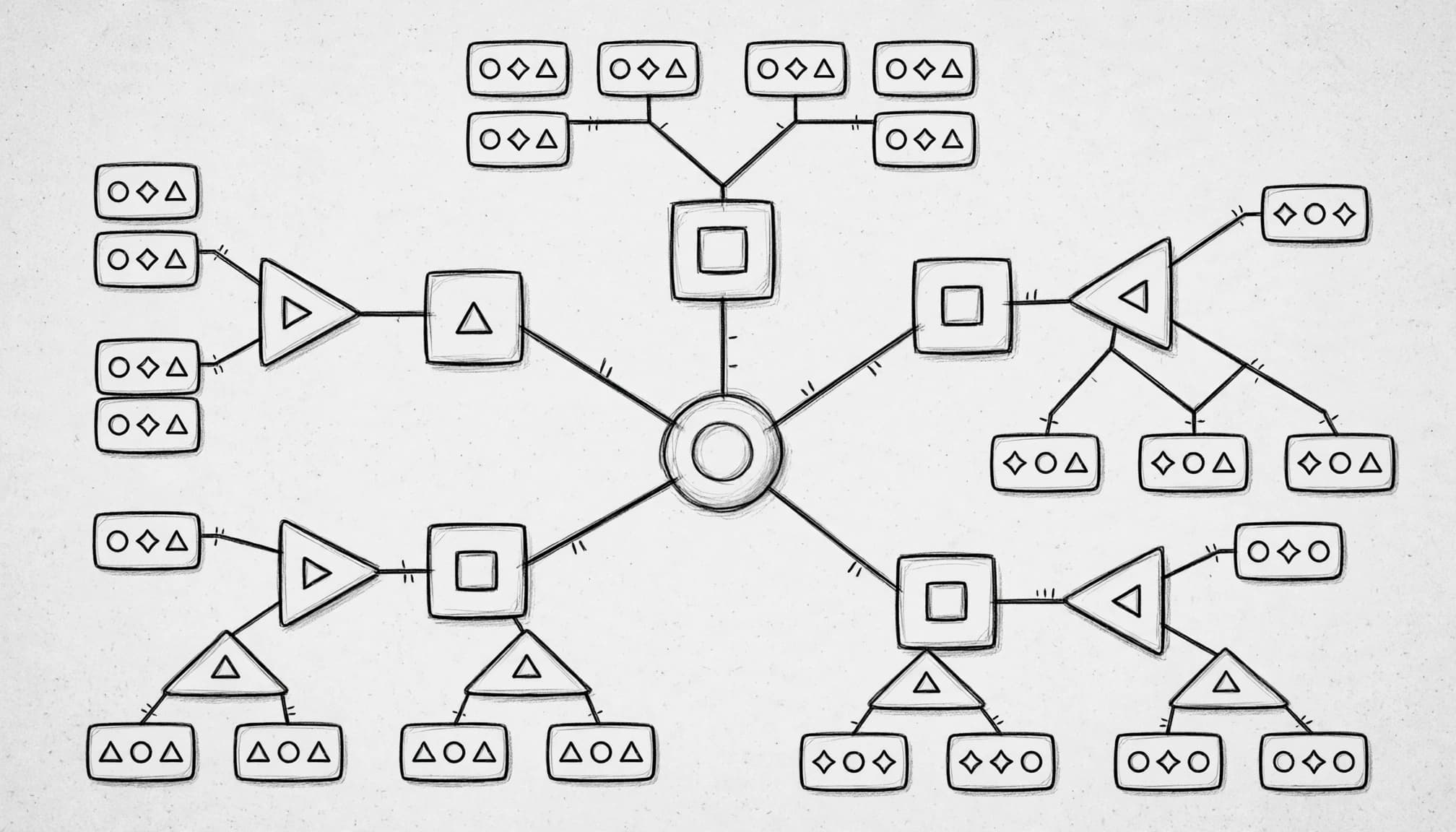
Build a subject and topic hierarchy
Use a consistent path such as subject > grade > unit > topic > objective. Mathematics might include Grade 10 > Geometry > Right triangles > Select and apply a trigonometric ratio. History might include Grade 12 > Source analysis > Evaluate a source’s reliability.
Keep shared skills visible without merging subject content. Graph interpretation may appear in biology and geography, but each question still needs its own subject context and marking guidance.
Turn broad topics into assessable targets
“Understand trigonometry” is too broad to guide question writing. “Calculate a missing side in a right triangle and state the unit” tells a writer what evidence to look for.
Then sketch a blueprint for each assessment, showing which objectives matter, how many marks they receive, and which formats can assess them. Weighting can reflect curriculum priorities and high-yield concepts while keeping every objective represented. Check that the exam content matches the curriculum, and revisit the blueprint whenever the curriculum changes.
2. Collect questions and write what is missing
A useful test bank combines carefully selected existing material with original questions. Start small: four to eight questions on one syllabus point can reveal gaps before you import hundreds of items.
Check sources and permissions
Teachers’ questions, approved textbooks, and past papers can provide study material for useful study resources. Check that each source matches the current specification, grade, and assessment language. Store the paper, mark scheme, and examiner guidance together when you have permission to use them.
Official questions are valuable examples of wording and demand, especially for professional certification. A clinical case used in medical board review or a CPA review course still needs a defined objective and permission to use it. Publicly available doesn’t automatically mean reusable, so check licensing before using material from an official exam in a shared platform or student-facing product.
Write for the thinking the exam requires
Match each question to its objective and likely exam format. A physics question about choosing a formula should require students to select and apply it, not merely recognize its name. A history evaluation objective needs evidence and a supported judgment, not a multiple-choice definition.
The NBME item-writing guide offers useful guidance for writers developing assessment items, including a focus on what learners should know and do. For every new item, draft the expected response and marking criteria alongside the prompt.
3. Give the exam question bank a usable structure
In a test bank, an item is hard to find if its only identifier is “Question 17.” Give every question a unique ID and a small, consistent set of metadata. Avoid a tagging system so elaborate that staff stop completing it.
A practical record could contain these fields:
| Field | What to record |
|---|---|
| Location | Subject, grade, unit, and topic |
| Alignment | Curriculum version and learning objective |
| Assessment | Format, marks, estimated time, and difficulty |
| Provenance | Author or source, permissions, and creation date |
| Control | Reviewer, version, status, and last review date |
These fields let an administrator find, for example, approved Grade 12 biology graph questions worth four marks. The takeaway is consistent, searchable metadata, not the largest possible collection of tags.
Add tags only when they answer a real selection question. “Interprets data” can identify a skill across subjects; “calculator permitted” can help assemble a paper with the right conditions. Define each tag in a short staff guide so “application” means the same thing to every writer. Keep learner results and error records separate from secure question records, linked by item ID. Approved items can also support a study guide without exposing learner data.
4. Balance difficulty and question formats
Difficulty labels are useful planning estimates, not permanent facts. Start with what a task asks learners to do, then revise its label after reviewing responses.
Define difficulty within each subject
A straightforward item might ask students to recall a taught definition or apply a familiar procedure. A harder item may require them to choose a method, interpret unfamiliar data, or justify a conclusion. Document these distinctions for each course rather than treating every long question as hard.
Also note common barriers. A trigonometry item may seem difficult because learners use the wrong calculator mode. That error calls for different teaching than a failure to choose the correct ratio.
Mix formats for a reason
Multiple-choice items can sample broad content efficiently, but their distractors must be plausible. Short answers reveal explanations, calculations, and terminology. Extended responses test how learners build an argument or connect ideas.
Match the bank to the real assessment. If students must analyze sources, label diagrams, or show working, include dedicated items for those tasks. When adapting a bank for a bar exam, retain the required response formats and skills rather than turning every task into multiple choice. Keep longer questions in their original format when using approved past-paper material, since shortening one may remove the skill it tests.
5. Review answers, marking, and fairness
No item should move from draft to live use on the strength of one writer’s confidence. Set a review route involving a subject reviewer and, where possible, someone who wasn’t involved in drafting.
Check the question and its answer together
Ask reviewers to solve the item without looking at the key. Then compare their response with the proposed correct answer, rationale, and mark scheme. Check for multiple defensible answers, missing information, ambiguous wording, and time demands that don’t fit the marks.
For practice questions, explain why the correct response earns credit. Where useful, explain why an incorrect answer fails to earn credit. For written work, show the features that earn marks, such as a calculation step or a supported inference. Research on examination item construction also stresses alignment between items and learning objectives.
Remove barriers unrelated to the objective
Reviewers should examine reading load, cultural assumptions, image clarity, and accessibility. If a mathematics objective tests proportional reasoning, unfamiliar vocabulary shouldn’t decide who succeeds. Check diagrams for legibility and provide accessible alternatives where needed.
The Standards for Educational and Psychological Testing address validity, reliability, and fair testing. Apply the same concern locally: offer the permitted accommodations, use clear instructions, and make equivalent papers comparable in content and demand. Log every review decision, including why an item was changed or rejected.
6. Store items securely and assemble papers
The bank needs two distinct experiences: staff must find items quickly, while learners must see only what an assessment permits.
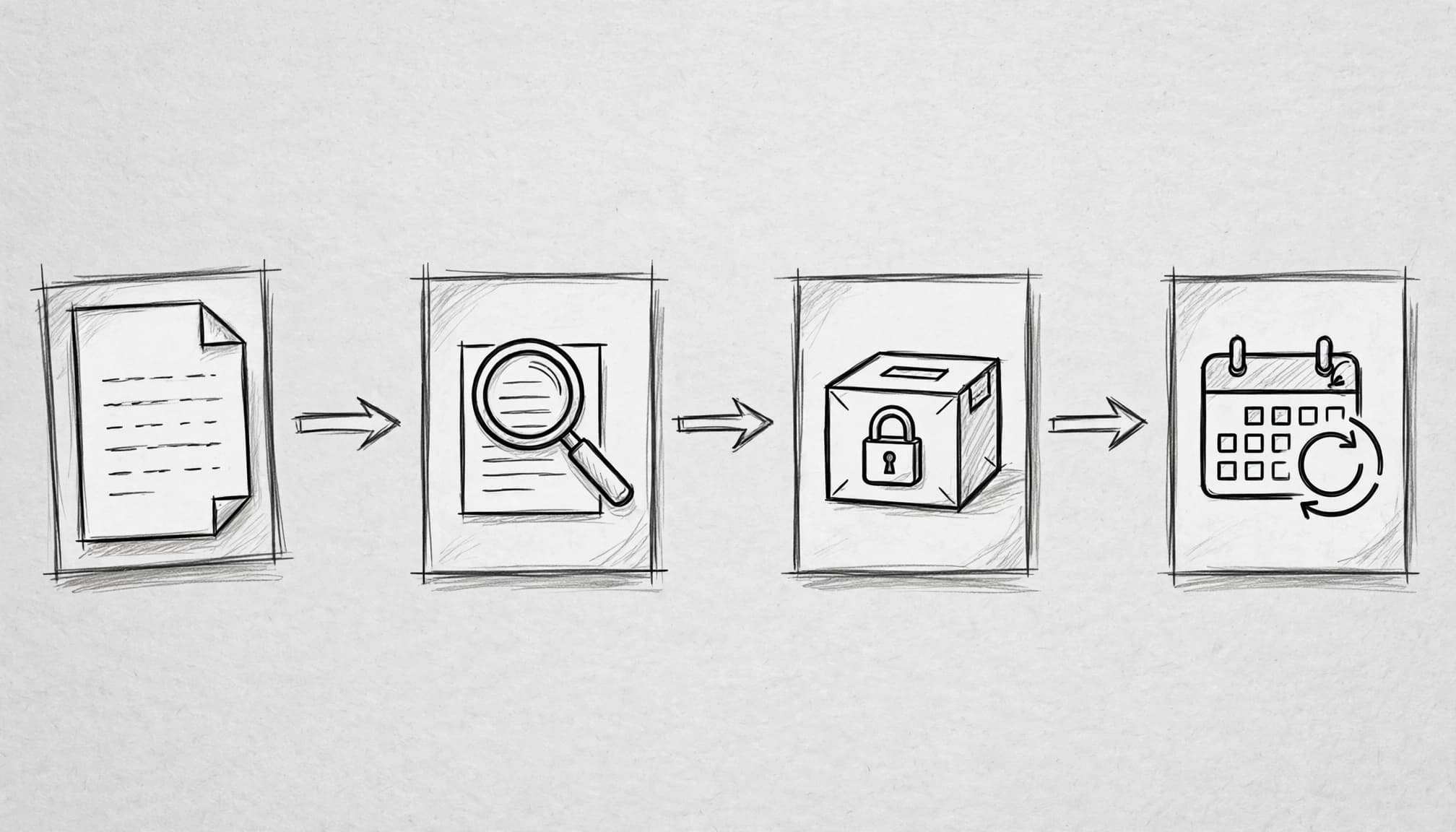
Control access and versions
A small team may begin with a permission-controlled spreadsheet and separate files for questions and marking materials. A larger team may need an online platform with role-based access, version history, and audit records. In either case, limit editing and exporting rights, use account protections, and maintain backups.
Keep draft, approved, retired, and exposed items clearly marked in the test bank. Never overwrite the only copy of an item after it has appeared on a live paper. Save a new version so reviewers can trace which wording students saw.
Build papers from the blueprint
Select practice questions from the blueprint by objective, marks, format, and estimated difficulty, then check the finished paper as a whole. Read it in order: repeated contexts, answer clues, or an awkward cluster of long questions may only become obvious at paper level.
For exam preparation, build a short topical paper first, then mix topics to test whether students can choose the right method. A 30- to 45-minute practice paper can expose weak areas without requiring a full mock exam. When its timing, format, and topic mix reflect the assessment, it can support a comprehensive review and offer realistic practice.
7. Use learner responses to improve items
Once learners have answered a question, compare the results with the learning objective and patterns in student performance. A low success rate might reveal a genuine knowledge gap, unclear wording, poor teaching alignment, or a marking problem. Inspect student work before assigning a cause, and use the responses to identify items in the test bank that may need review.
Record the kind of error
For formative practice, note whether an error involved knowledge, application, question reading, presentation, or time pressure. A mathematics student who knows the method but misses a negative sign needs different feedback from one who chooses the wrong method.
A simple learner-facing log can record the topic, source, marks earned, error type, and next action. After several sessions, those records help teachers assign fresh questions to the skill that needs practice.
Treat statistics as clues
Performance analytics can flag questions that are unexpectedly easy, hard, or missed by learners who otherwise perform well. Still, treat performance analytics as clues rather than automatic judgments. Small classes produce unstable patterns, so peer comparison can mislead without suitable context. Review actual responses and teaching conditions before retiring an item, and don’t use item-level results alone to determine a passing score.
If results differ across learner groups, investigate whether wording, access, or unfamiliar context created an unnecessary barrier. Smarter Balanced’s discussion of test fairness describes the goal of reducing barriers unrelated to what a test intends to measure.
8. Schedule updates instead of waiting for problems
Assign an owner and review date to each subject area in the test bank. Before every assessment cycle, check curriculum changes, answer keys, references, permissions, accessibility, and whether live items have become familiar through repeated use.
When an objective changes, search by its curriculum tag and review every linked question. Retire items that no longer fit, and keep an archive with their versions and use history. Update explanations when marking guidance changes, even if the prompt stays the same.
Finally, ask teachers which objectives are hard to assess with the current stock. Write new items for those gaps rather than expanding the bank evenly. A smaller, current collection is easier to defend than a large one nobody has reviewed.
Key Takeaways
- Build the subject, topic, and objective map before adding questions.
- Record source, permissions, marking guidance, difficulty, and version for every item.
- Review questions for accuracy and fairness before use, then inspect learner responses afterward.
- Protect live items and schedule updates against the current curriculum.
Frequently Asked Questions
Can a spreadsheet work as a question bank?
Yes, especially for a small team. Use unique item IDs, consistent columns, restricted access, and links to controlled question files. Move to a platform when paper assembly, permissions, and version tracking become too difficult to manage reliably.
How many questions does each topic need?
There’s no universal target. Start with enough varied items to assess the objective without repeating one pattern. Four to eight questions on a single syllabus point make a workable pilot; expand according to its importance, format, and frequency of assessment.
Should students see full answer explanations?
For formative practice, explanations help students identify whether they missed the content, the method, or the instruction. For a secure live assessment, release answers according to your institution’s review and reuse policy.
Conclusion
An exam question bank becomes useful when teachers can trust what each item tests and how it will be marked. Curriculum alignment, careful review, and clear records matter more than the number of questions collected.
Start with one subject and one well-defined unit. Build, review, and use that collection before applying the same process across the curriculum.