
Blog
How Vaccines Work: Training Your Immune System
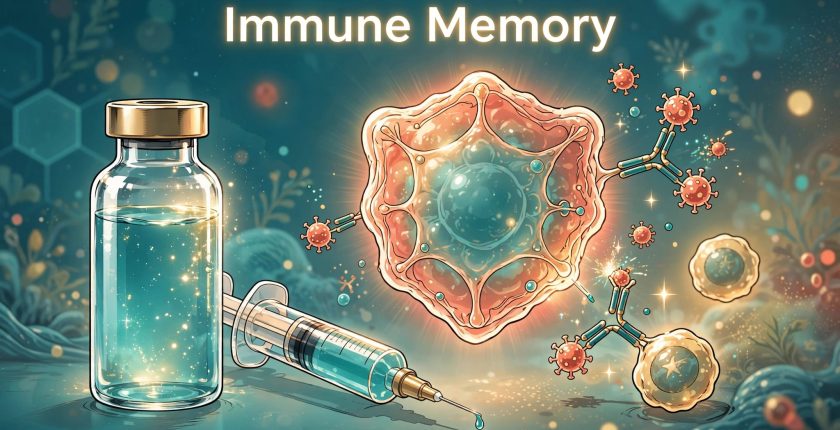
Vaccines help your immune system learn to recognize a dangerous germ before you encounter the disease itself. Understanding how vaccines work starts with that ability: vaccination builds immune memory while avoiding many of the risks of the disease itself.
Vaccines use selected germ components, weakened organisms, or instructions for making a target protein. They usually prompt active immunity using your defenses, unlike passive immunity from ready-made antibodies, and can help prevent infectious diseases. Protection and side effects vary by vaccine and person, and infection isn’t always prevented.
How vaccines work inside your body
A pathogen is a disease-causing agent, such as a virus or bacterium. An antigen is a feature your immune system can recognize, often a protein or sugar associated with that pathogen.
Vaccines introduce antigens, or instructions for producing them, under controlled conditions. As the CDC’s explanation of vaccination describes, this engages your immune system without requiring you to experience the full infection.
First, immune cells recognize the target
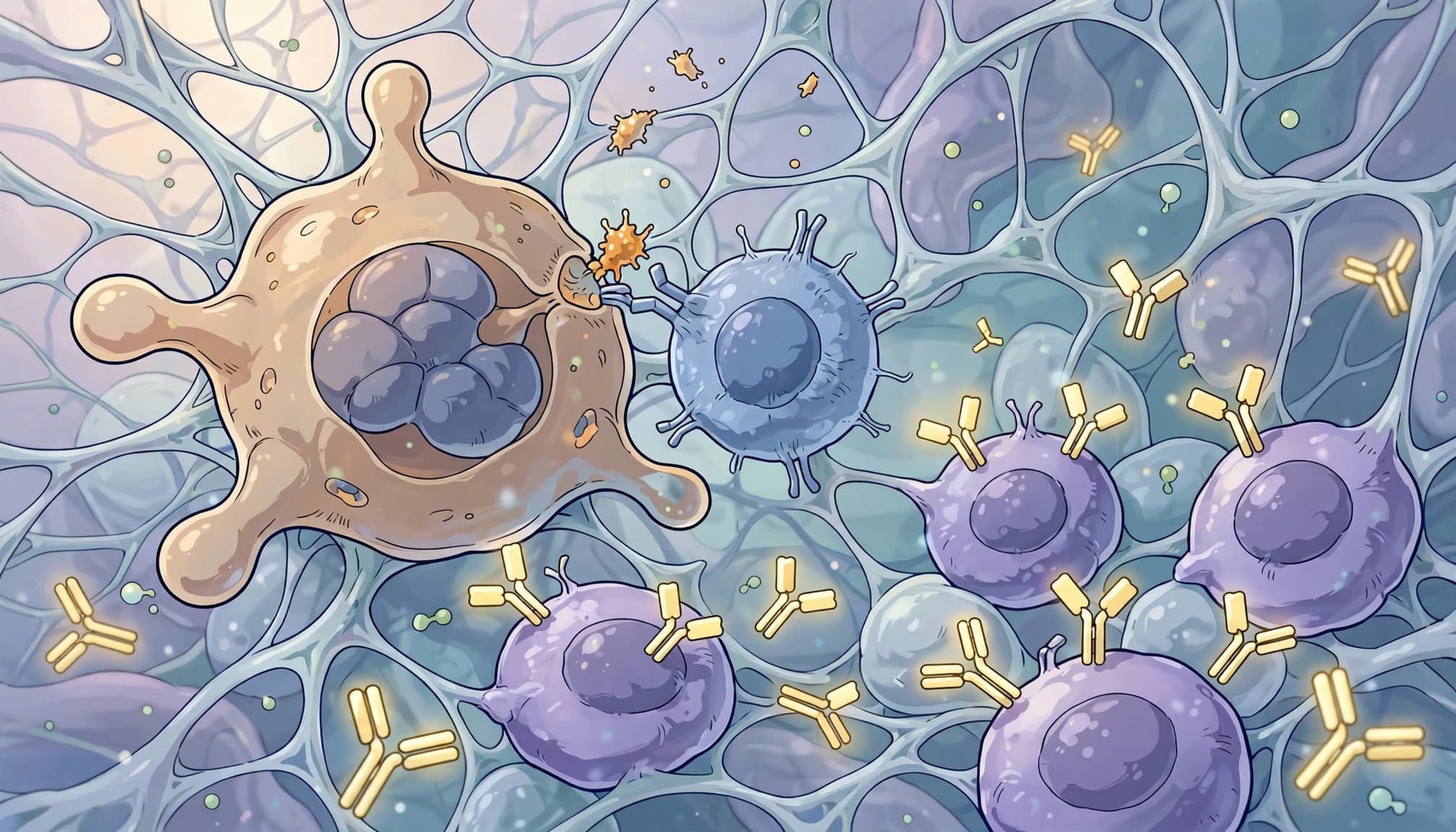
Your innate immune system provides rapid, general defenses. Macrophages are white blood cells that engulf material, including germs, and help alert other immune cells.
Dendritic cells are especially important messengers. They collect antigens and carry information to lymph nodes, small structures where immune cells meet. There, they present antigen fragments to T cells, helping start a targeted response.
B cells and T cells build specific defenses
B cells, also called B-lymphocytes, can become plasma cells responsible for antibody production. These antibodies bind particular antigens. Some can block a virus from entering cells, while others help the body clear germs.
Meanwhile, helper T cells coordinate responses and support B cells. Depending on the vaccine, other T cells can learn to destroy infected cells. Together, these responses form adaptive immunity, a defense tailored to a particular target.
Immune memory explains lasting protection and boosters
The first encounter with an unfamiliar antigen takes time to produce a targeted response. After vaccination, some activated cells remain as memory B cells and memory T cells.
Memory cells prepare a faster response
If the pathogen appears later, memory cells can respond more quickly. Memory B cells can develop into cells that make antibodies, while memory T cells help coordinate defense or attack infected cells.
Long-lived plasma cells also continue releasing antibodies after some vaccinations. However, antibody levels and protection don’t always decline at the same rate. This lasting readiness, or immunologic memory, can remain even when circulating antibody levels fall.
Protection takes time to develop. Someone exposed shortly before vaccination, or soon afterward, may become ill before their immune response is ready.
Additional doses strengthen or refresh protection
Some doses complete an initial vaccine schedule. They help establish reliable protection, rather than merely topping up an existing response.
Booster shots reinforce protection after that initial series. Another antigen exposure can raise antibody levels and improve how well these proteins recognize their target.
Recommendations depend on the vaccine, age, health conditions, exposure risk, and the vaccine schedule. Influenza vaccination also addresses changing viruses, so repeated vaccination isn’t always a response to fading immunity alone.
Different vaccine types teach the same basic lesson
Vaccine platforms differ in how they deliver an antigen. Some provide the target directly; others give your cells temporary instructions to make it.
These common platforms take different routes to immune recognition.
| Vaccine type | How it stimulates immunity | Familiar examples |
|---|---|---|
| Live vaccines (attenuated) | A weakened organism replicates to a limited extent, stimulating antibody and cellular responses. | Measles, mumps, and rubella (MMR); chickenpox |
| Inactivated | A killed organism supplies antigens without replicating. | Injected polio vaccine; hepatitis A |
| Protein subunit or recombinant | Selected proteins trigger targeted responses, often with an immune-stimulating ingredient. | Hepatitis B; human papillomavirus (HPV) |
| Conjugate | A bacterial sugar linked to a protein recruits helper T-cell support and improves memory. | Haemophilus influenzae type b (Hib); pneumococcal conjugate vaccines |
| Toxoid | An inactivated bacterial toxin teaches antibodies to neutralize the toxin. | Tetanus and diphtheria components of DTaP |
| mRNA | Temporary genetic instructions let cells produce an antigen. | Pfizer-BioNTech and Moderna COVID-19 vaccines |
| Viral vector | A modified carrier virus delivers instructions for an antigen. | Ebola vaccines such as Ervebo |
The HHS guide to vaccine types explains these approaches further. Categories can overlap, and combination vaccines can contain several components.
Live vaccines can produce durable responses because limited replication resembles infection, though protection varies by vaccine. However, some aren’t suitable during pregnancy or for people with certain weakened immune systems.
Inactivated vaccines can’t replicate and may need several doses to establish protection. Some vaccines also contain adjuvants, ingredients that strengthen the immune response to an antigen.
What mRNA vaccines do, and why they don’t alter DNA
Messenger RNA, or mRNA, is a temporary instruction molecule that cells normally use to make proteins. Vaccine mRNA carries instructions for one selected antigen.
Cells briefly make a target protein
In mRNA vaccines, tiny fat-based particles protect the instructions and help deliver them into cells. Ribosomes, the cell’s protein-making machinery, read them.
For COVID-19 mRNA vaccines, cells briefly make the coronavirus spike protein. The immune system recognizes that protein and can develop responses against it.
These vaccines don’t contain a complete coronavirus and can’t cause COVID-19. The body breaks down the mRNA after use, as the CDC’s COVID-19 vaccine guidance explains.
The instructions don’t rewrite your genes
Vaccine mRNA works in the cytoplasm, the area of the cell outside its nucleus. Your DNA stays inside the nucleus.
The mRNA doesn’t need to enter the nucleus to make the antigen, and it doesn’t change your DNA. These temporary protein instructions can prompt immune recognition and help establish memory.
Active immunity differs from receiving ready-made antibodies
Vaccination usually produces active immunity: your immune system responds and builds memory. Infection can also create this kind of protection, but it comes with the risks of illness and complications.
Passive immunity means receiving antibodies made elsewhere. This form of passive immunity can come from maternal antibodies that cross the placenta during pregnancy or from certain medical treatments.
Passive immunity can provide immediate protection without waiting for your body to produce these proteins. It usually fades as they break down. Unlike active immunity, passive immunity doesn’t establish the same immune memory.
The CDC’s principles of vaccination explains this distinction. In some exposure situations, clinicians use vaccination to build active immunity and an antibody product to provide passive immunity, since they offer protection on different timelines.
Community protection depends on reducing transmission
When vaccination reduces infection or infectiousness, infectious diseases have fewer opportunities to spread. This can create community protection, also called herd immunity.
This protection can support public health and disease prevention. It also matters for infants too young for certain vaccines and people who cannot receive them, as well as people whose immune systems respond less strongly to vaccination.
There is no single herd immunity coverage threshold that applies to every disease. The level needed depends on how easily a pathogen spreads, how well vaccination limits transmission, and how immunity changes over time.
Community protection also doesn’t apply equally to every disease. Tetanus, for example, doesn’t spread between people, so someone else’s vaccination doesn’t protect you against it.
A breakthrough infection doesn’t automatically mean immune memory failed. Protection against severe illness can remain stronger than protection against infection.
A breakthrough infection is an infection that occurs despite vaccination. Germs may change, immunity may decline, or an individual’s response may be weaker. Therefore, vaccine efficacy should be understood in relation to the outcome being measured: infection, symptoms, hospitalization, or death.
Testing and ongoing monitoring
Researchers assess vaccines before approval and continue checking them afterward. The WHO’s vaccine safety guidance describes both clinical testing and ongoing monitoring.
Trials assess benefits and risks
Clinical trials are studies involving volunteers. Early trials examine safety, dose, and immune responses. Larger trials evaluate protection against defined outcomes and identify more common reactions.
Regulators review those findings alongside manufacturing quality. However, even large trials may miss extremely rare risks. Monitoring after approval helps identify them across larger populations and different groups.
An event reported after vaccination doesn’t automatically prove the vaccine caused it. Investigators compare patterns and background rates before drawing conclusions.
Side effects vary, and their absence isn’t failure
Side effects such as a sore arm, fatigue, or fever can follow some vaccinations. These reactions vary by vaccine and person, and often reflect inflammation. They don’t measure how much protection you have.
People can develop strong immune responses without noticeable symptoms. Equally, stronger side effects don’t guarantee stronger immunity.
Serious reactions are uncommon, but their likelihood and nature differ between vaccines. Live vaccines also require extra care in people with certain immune conditions.
A clinician can review previous reactions, allergies, pregnancy, and immune-suppressing treatment before vaccination. General explanations can’t replace that individual assessment.
Key takeaways for learning vaccine science
The main ideas become easier to remember when you connect each vaccine platform to the immune response it starts:
- Vaccines expose the immune system to a recognizable target without requiring the usual disease experience.
- Antibodies, T cells, and memory cells contribute different kinds of protection.
- Dose schedules and safety considerations depend on the vaccine and the person receiving it.
If you’re studying the cellular foundations, the mitochondria and cell biology course explores how cells produce ATP, their usable energy supply. That background supports a broader understanding of how living cells function.
For personalized help with biology concepts or exam preparation, Find your tutor here. Check the tutor’s subject expertise and agree on learning goals before booking.
Frequently Asked Questions
Can vaccines give you the disease they’re designed to prevent?
Most vaccines don’t contain a form of the pathogen that can cause the disease. Live vaccines contain weakened organisms and require extra care for some people, but they are designed to produce a controlled immune response.
How long does vaccine protection last?
It varies by vaccine, person, and disease. Immune memory may persist even as antibody levels fall, and some vaccines need additional doses to establish or refresh protection.
Do side effects mean a vaccine is working?
Not necessarily. Side effects vary by person, and people can develop a strong immune response without noticing symptoms.
Can you still get an infection after vaccination?
Yes. Some vaccines reduce the chance of infection, while others provide stronger protection against severe illness than against infection itself.
Immune preparation makes the difference
Vaccines give your immune system a chance to recognize a threat before a dangerous encounter. Their lasting value comes from prepared defenses, including antibodies and immune memory.
Protection isn’t identical for every vaccine or person. Understanding how vaccines work helps explain why different platforms, dose schedules, and individual medical guidance all matter.
If you choose to purchase a product or service through one of these links, we may receive a commission at no additional cost to you. Any recommendations are provided for informational purposes only.