
Blog
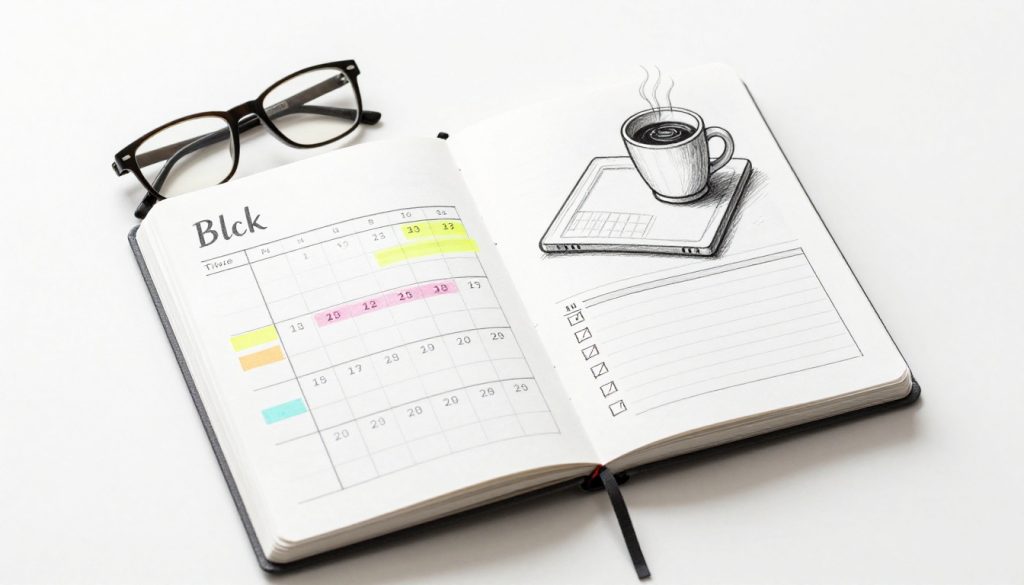
Online learning gives you flexibility, but it also asks you to fit classes around work, school, family, errands, and the need to rest. Without a clear system, even a course you care about can slide to the bottom of a crowded week. A personal learning plan online turns good intentions into scheduled work. It combines […]
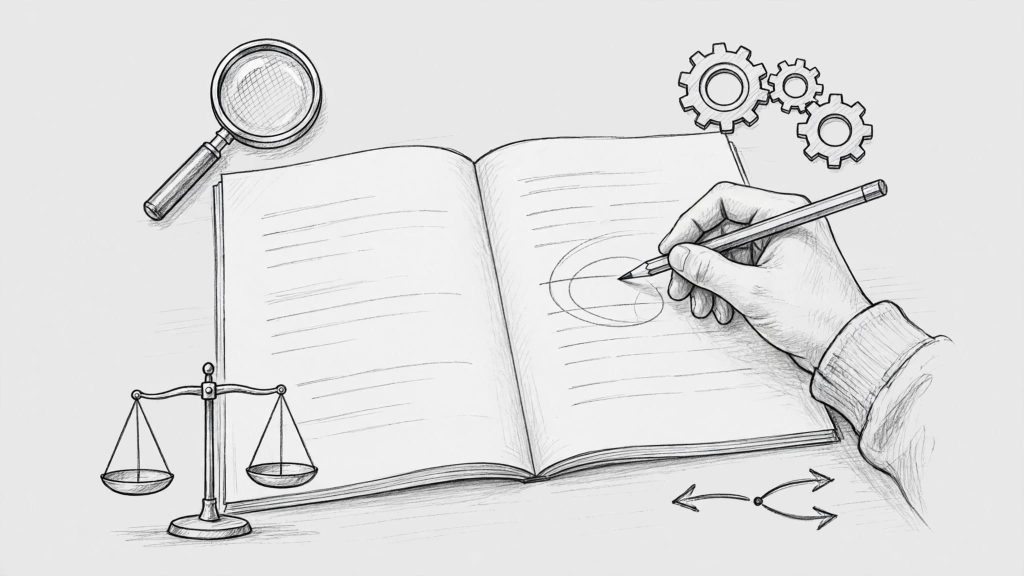
A strong answer can lose marks when it tackles the wrong task. Exam command words tell you what kind of thinking and writing the marker expects, so spotting them early can change how you plan every paragraph. You might know the topic well but still use command words suited to describing when the question requires […]

The night before an exam can feel more important than every study session that came before it. However, trying to learn an entire subject in a few anxious hours usually leaves you tired, scattered, and less able to recall what you already know. A better evening before a final exam balances light review, practical preparation, […]
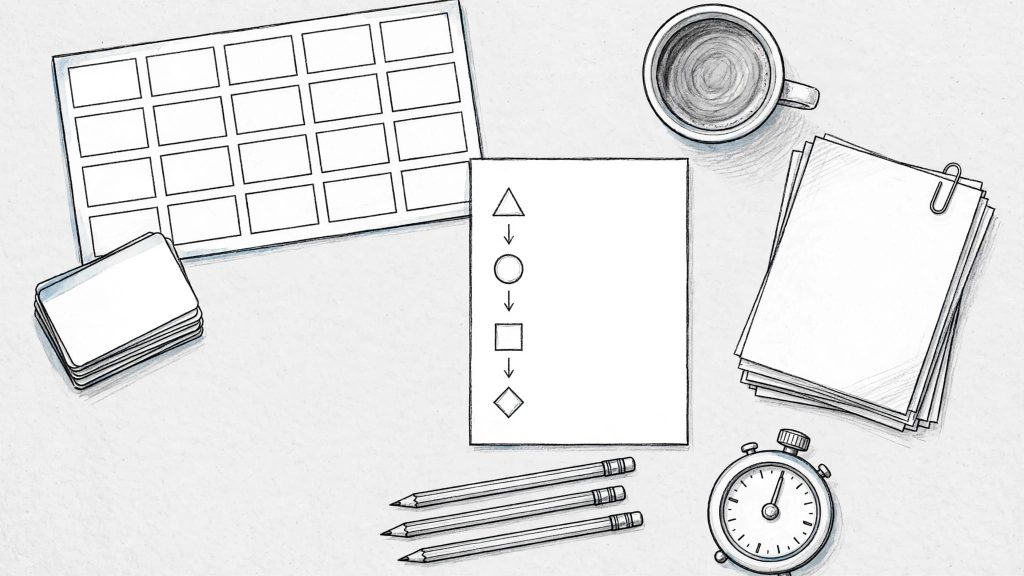
Several final exams in the same month can make every subject feel equally urgent. However, a packed revision plan usually fails because it gives too much time to comfortable topics and too little to the exams that need attention first. To revise for multiple exams well, you need a clear order, short repeatable sessions, and […]

Some exam stress is normal. It can sharpen your focus and push you to start, but it shouldn’t leave you exhausted, panicked, or unable to study. You can manage exam stress without becoming perfectly calm or following a punishing revision routine. Practical stress management means turning exam pressure into one manageable next step while protecting […]
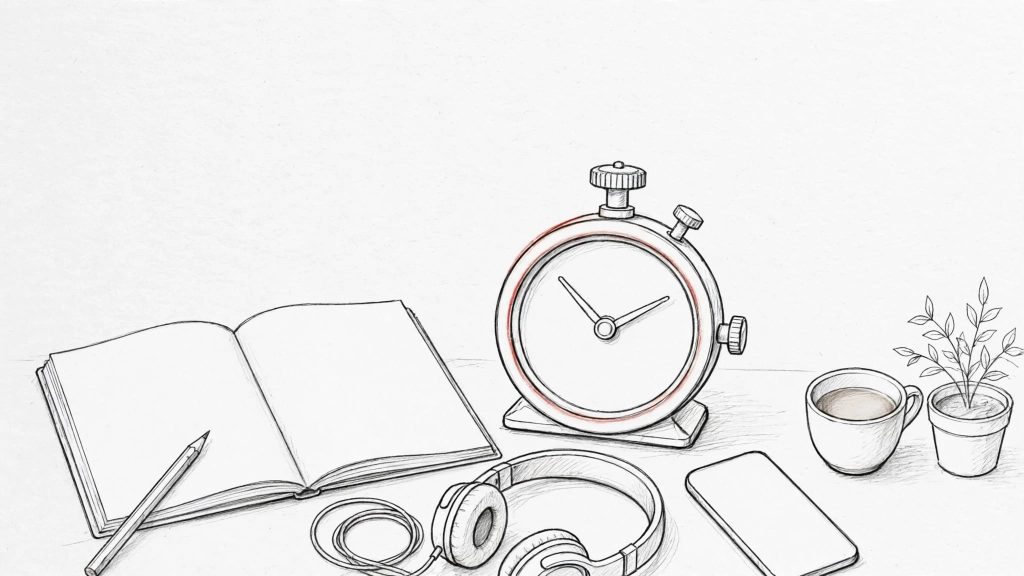
A timer can’t learn your course material for you, but it can make starting far less painful. The Pomodoro method studying approach turns a vague plan to “study all afternoon” into a time management method built around small, defined commitments. That structure helps when distraction, anxiety, or a huge reading list makes work feel impossible […]
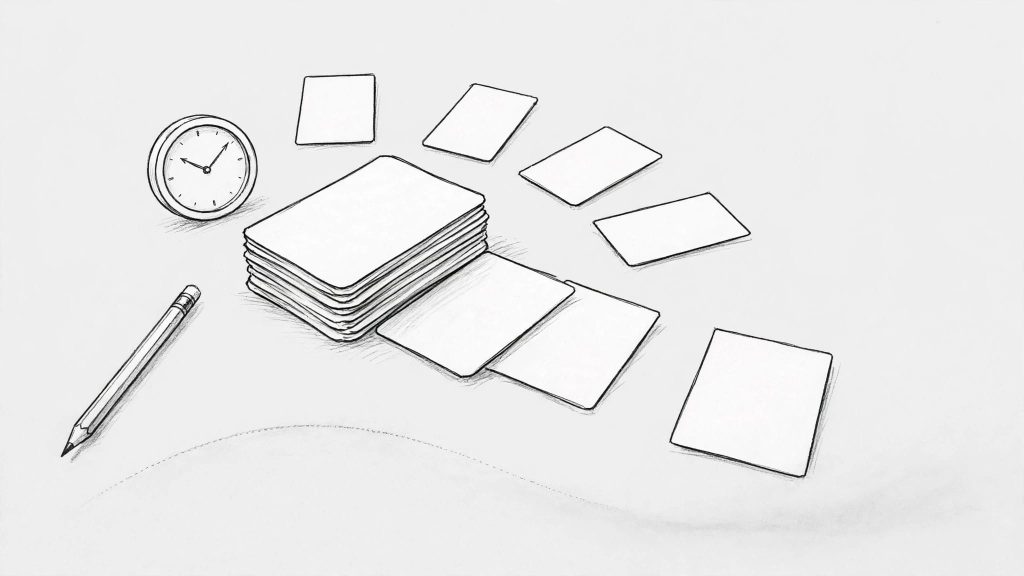
A full notebook can feel reassuring, yet leave you blank when an exam question demands an answer without prompts. The problem often isn’t effort. Rereading makes material feel familiar without proving you can retrieve it. A spaced repetition study plan replaces last-minute rereading with short, timed returns to the material. You test yourself, correct errors, […]
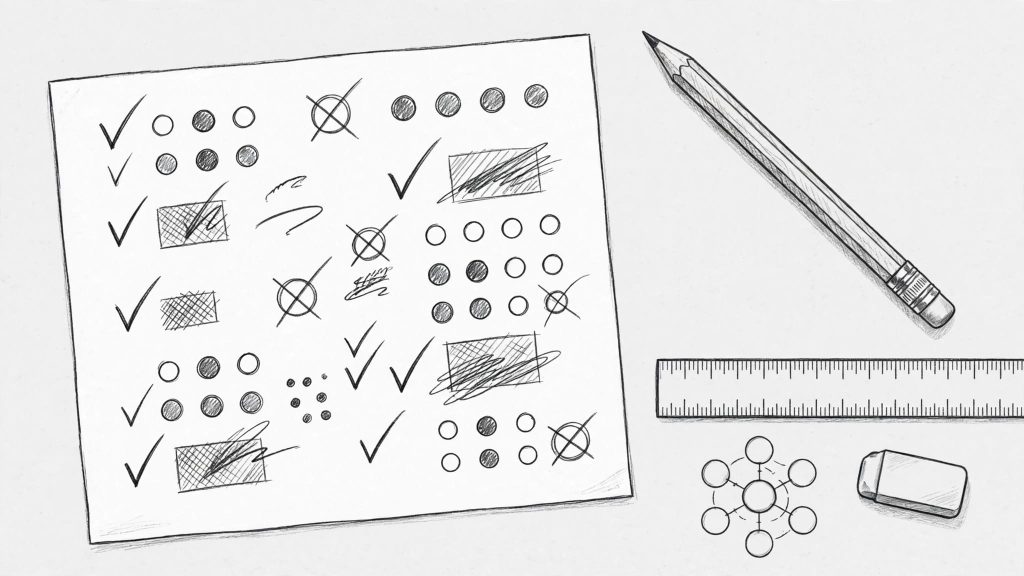
A practice paper can reveal more than a percentage. It shows what you can recall under pressure, where your method breaks down, and which topics need another look. When you mark a paper with a reliable method, a disappointing score becomes a useful revision plan. Your result won’t perfectly match an official examiner’s judgement, especially […]
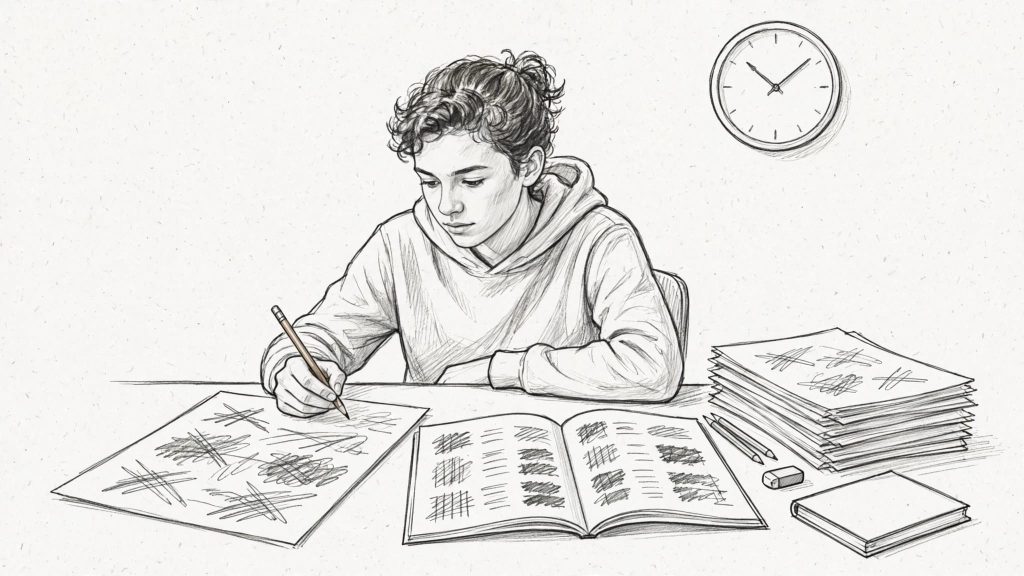
A past paper can show you exactly where your revision breaks down, but only if you do more than complete it and check a score. For a grade 12 learner, mistakes become useful evidence for active recall and error analysis. Used well, past papers help you practise the language, timing, and level of detail your […]

You can spend hours on passive studying, rereading notes, then sit in front of a test paper and watch familiar facts disappear. The problem often isn’t effort. Your brain has seen the material, but it hasn’t practiced pulling it out without a prompt. Active recall means producing an answer before checking your notes. With repeated […]