
Blog

Remembering a quotation won’t help much if you can’t explain what it proves. Using quotations in exams works best when a short piece of evidence supports your argument and leads into close analysis. You don’t need to fill every paragraph with remembered lines. You need relevant evidence, a clear explanation of the writer’s choices, and […]

People searching “why is sky blue” are asking why a cloudless sky looks intensely blue while nearby air seems colorless. The answer lies in how sunlight interacts with air molecules. Those molecules scatter some light in different directions, with shorter blue wavelengths scattering more strongly than longer red wavelengths. This scattering also helps explain why […]

Returning to class after missed classes can feel harder when everyone else seems to understand a topic you haven’t seen. To catch up on missed lessons, start with a clear plan, rather than trying to finish everything in one day. You need to know what you missed, which ideas matter most, and where to get […]
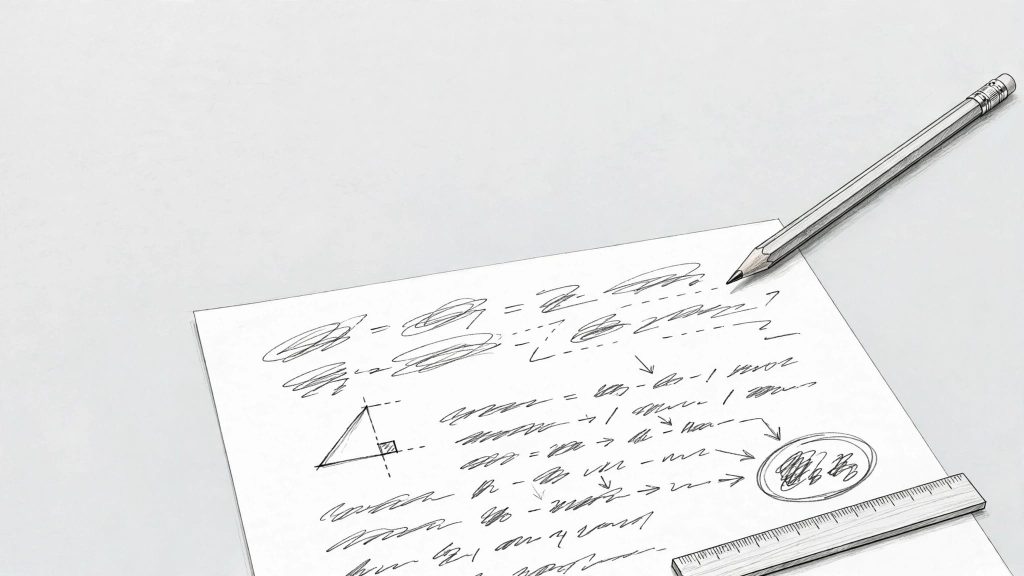
A wrong final answer doesn’t always mean losing every mark on a mathematics question. Clear mathematics exam working can earn method marks, provided your steps meet the marking criteria. You don’t need to record every mental calculation, but you do need to show how your answer follows. The challenge is giving enough detail without wasting […]
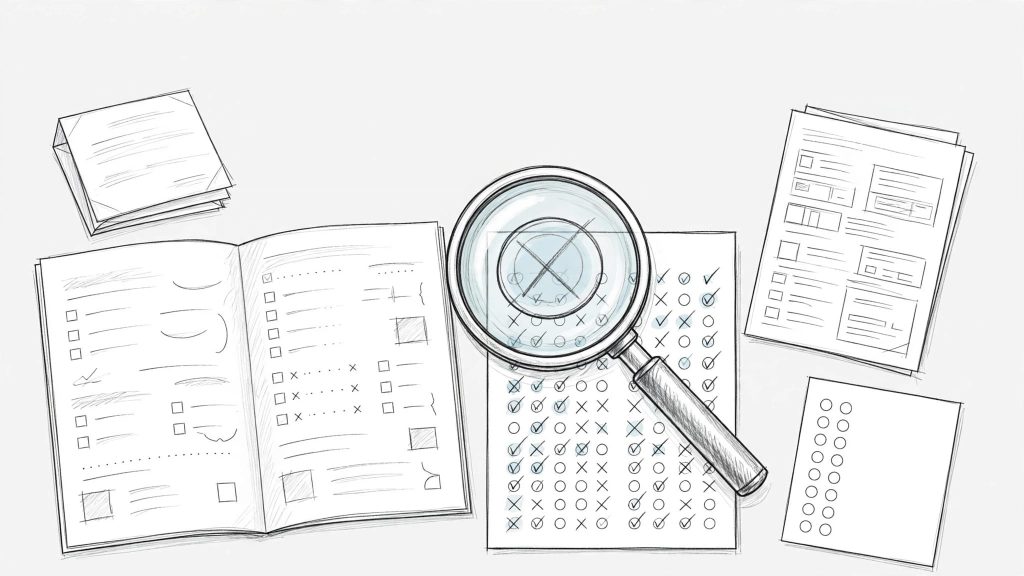
You finish another practice paper, check the answers, and find you’ve lost marks for the same reason again. Examiner reports can help you spot that pattern, but reading one on its own won’t fix it. You need to connect the examiner’s comments to your own answers, then test a better approach on a fresh question. […]
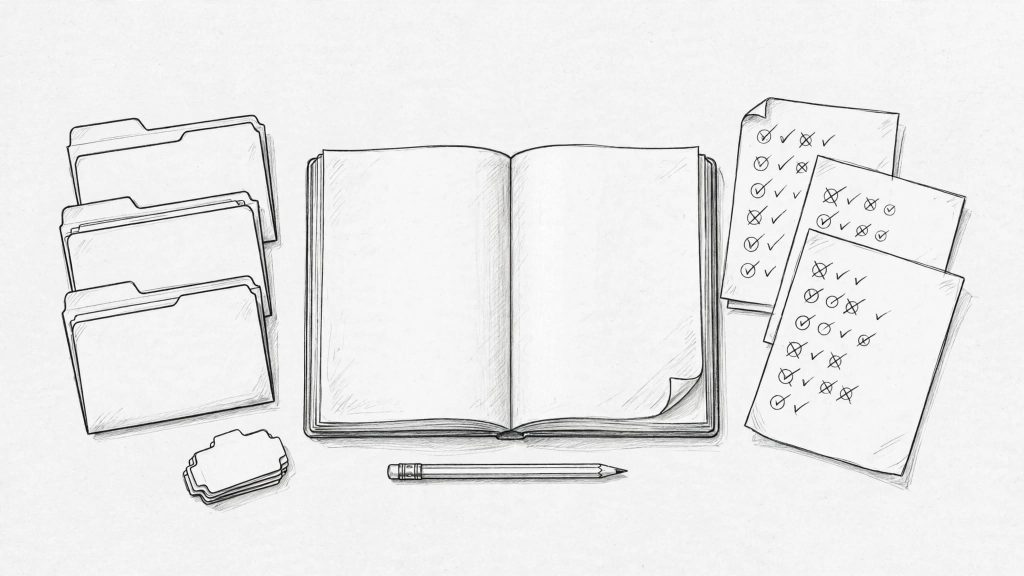
You can spend hours revising and still be unsure what you could answer in an exam. A useful exam revision audit replaces that uncertainty with evidence: what you can recall, where you lose marks, and which subjects need attention first. You don’t need a perfect timetable to begin. You need a complete topic list, a […]

A diagram can look unfamiliar and still contain enough clues to earn marks. The strongest answers come from reading lines, arrows, labels, and scale information carefully before you start writing. In these questions, you may need to identify a structure, describe a pattern, explain a process, or draw a clear scientific sketch. Once you separate […]
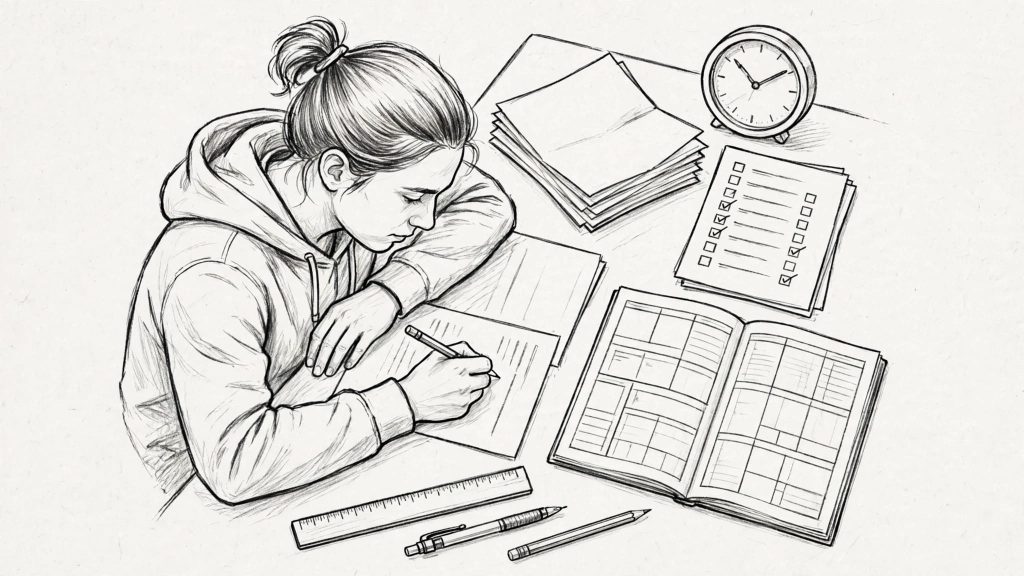
A timed written exam can feel rushed long before the clock becomes a problem. Exam time management gives you a practical way to decide what deserves your attention, when to move on, and how to leave enough time to check your work. The aim isn’t to write as fast as possible. It’s to spend your […]

Good instructional design starts before anyone opens an authoring tool. It begins with a clear performance problem, a defined learner audience, and a practical way to check whether training worked. The best instructional design courses for beginners teach that thinking process alongside course-building skills. For career changers, teachers, trainers, and recent graduates, the right first […]
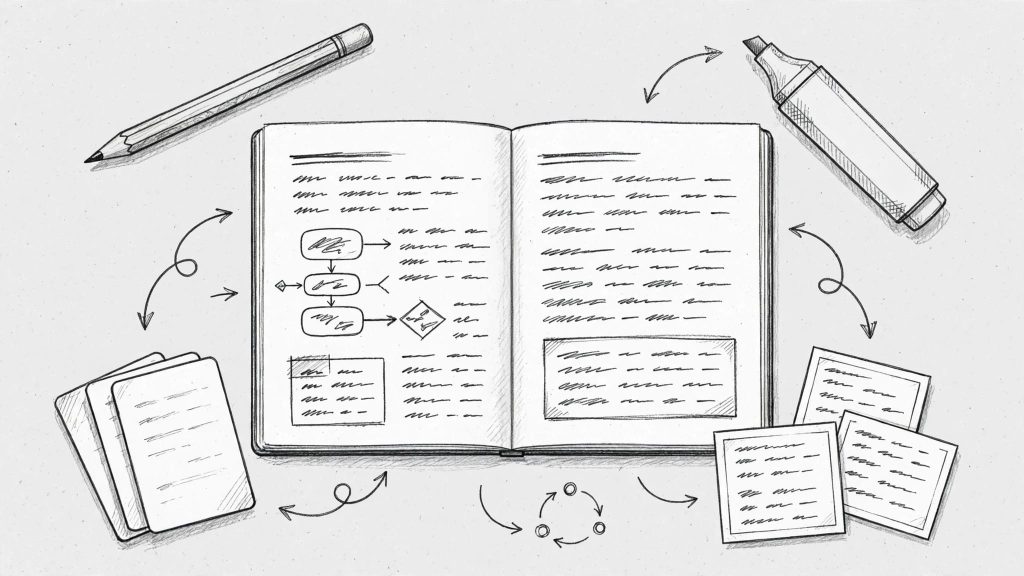
Good notes don’t need to record every sentence your teacher says. They need to help you understand an idea now and retrieve it when an exam question appears months later. Useful class notes capture the main point, show how ideas connect, and leave you with prompts to answer later. Once you stop treating note-taking as […]